
The man pouring my jasmine tea in Fuzhou watched me for about ten seconds before deciding I needed correcting. I had just come off the main street of Sanfang Qixiang (三坊七巷), notebook in hand, doing exactly what every first-timer does: walking the famous street, ticking the famous sights, wondering why it felt like a shopping mall in old clothes. He set the cup down, nodded towards the lane behind his little shop, and told me — with the patience of a man who has said this a thousand times — that the street I had just walked was not really Fuzhou at all.
He was right, mostly. And that is the whole of Fuzhou in one cup of tea: a city that looks ordinary, even disappointing, if you rush it, and quietly wins you over if you slow down. The famous streets are commercial. The museums can let you down. The best food is not where the crowds are. But the lanes behind the famous streets, the river at dusk, the hilltop at sunset, the fish balls in a back-street shop and the windmills on an island an hour away — those are the real thing, and they are worth the trip.
This guide is built the way I wish someone had built it for me: two days in the city, done properly, and a third day out at the sea. Come with an appetite and comfortable shoes, and do not try to do everything. Fuzhou punishes the traveller who rushes. It rewards the one who lingers.
At a Glance
- Days: Three — two in the city, one at the sea. The city itself is a two-day place; the third day is for Pingtan Island (平潭岛), the mountain, or a slow morning.
- Best for: Food lovers, old lanes, river light and a proper sea day.
- Base: Around Dongjiekou (东街口) and Sanfang Qixiang — the most central, walkable to the old streets, the food and the metro. Taijiang (台江), near Suning (苏宁), is cheaper and just as convenient; Yantai Mountain (烟台山) is the atmospheric choice.
- Don’t miss: Yantai Mountain at dusk, the paid halls inside Sanfang Qixiang, the Lin Zexu Memorial Hall (林则徐纪念馆), the Min River (闽江) at night, and Pingtan’s north line on a sunny day.
- Watch out for: The commercial main streets, the Fujian Museum (福建博物院) let-down, holiday crowds, and any driver who asks you to cancel your ride-hailing order and pay offline.
Day One: The River and the Hill
Start on the south bank of the Min River, at Yantai Mountain. Give it half a day — the hill is bigger than it looks, and the walking is all up and down, so wear comfortable shoes. Come up from Shangteng metro station and follow the route the locals all seem to agree on: the prettiest corner of Wanchun Lane (万春巷), then Lixin Road (立新路), then the Stone House Church (石厝教堂), then the old commercial street at the top. The houses here are the old foreign concessions — stone and brick villas, consulates, churches and schools from the days when Fuzhou was a treaty port — and they have aged into something genuinely lovely: quiet lanes, jasmine tea shops, small cafés, and views down to the river.
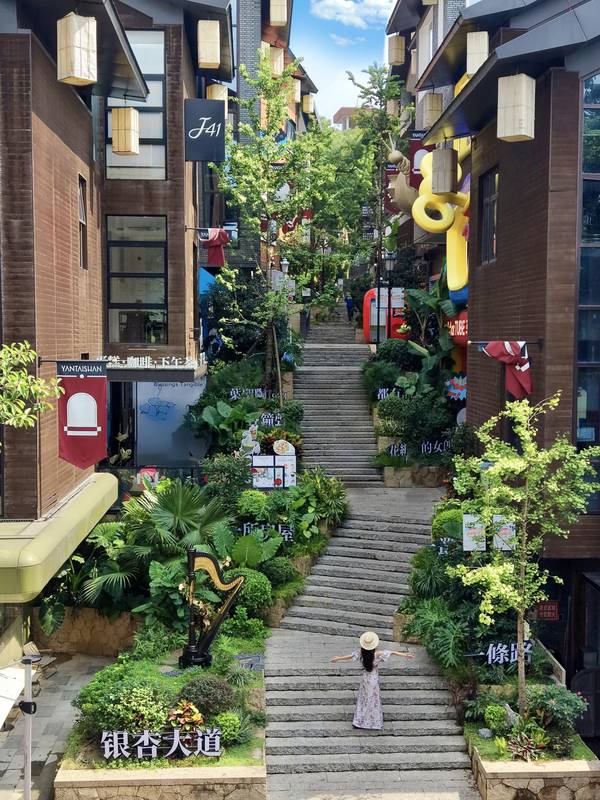
Yantai Mountain is the one place in Fuzhou where I would tell you to slow down on purpose. The hill rewards wandering. Duck into the side lanes, sit down for tea, and let the afternoon go. The tea here is the point as much as the architecture: Fuzhou is the home of jasmine tea, and the city scents its green tea with jasmine blossom in a craft that goes back centuries. Jasmine tea is not a souvenir here; it is the drink of the city, and a proper tea shop will let you taste before you buy. Buy from a tea shop, not a souvenir stall on the main street — the difference in quality is the difference between the city and its postcard.
In the late afternoon, walk down to the river. If the water bus is running, take it from the Yantai Mountain pier across to Cangxia (苍霞) for sunset over the Min River — the river is wide here, and the light at dusk turns the whole south bank gold. Fuzhou grew rich as a port on the Maritime Silk Road, and standing on the water at sunset, with the old trading houses behind you, you can feel why ships came here. If you would rather stay on land, walk the riverside path towards the Youth Hall (青年会) and Zhongzhou Island (中洲岛) instead. The island sits in the middle of the river like a small castle, and its light show after dark is the best free view in the city.
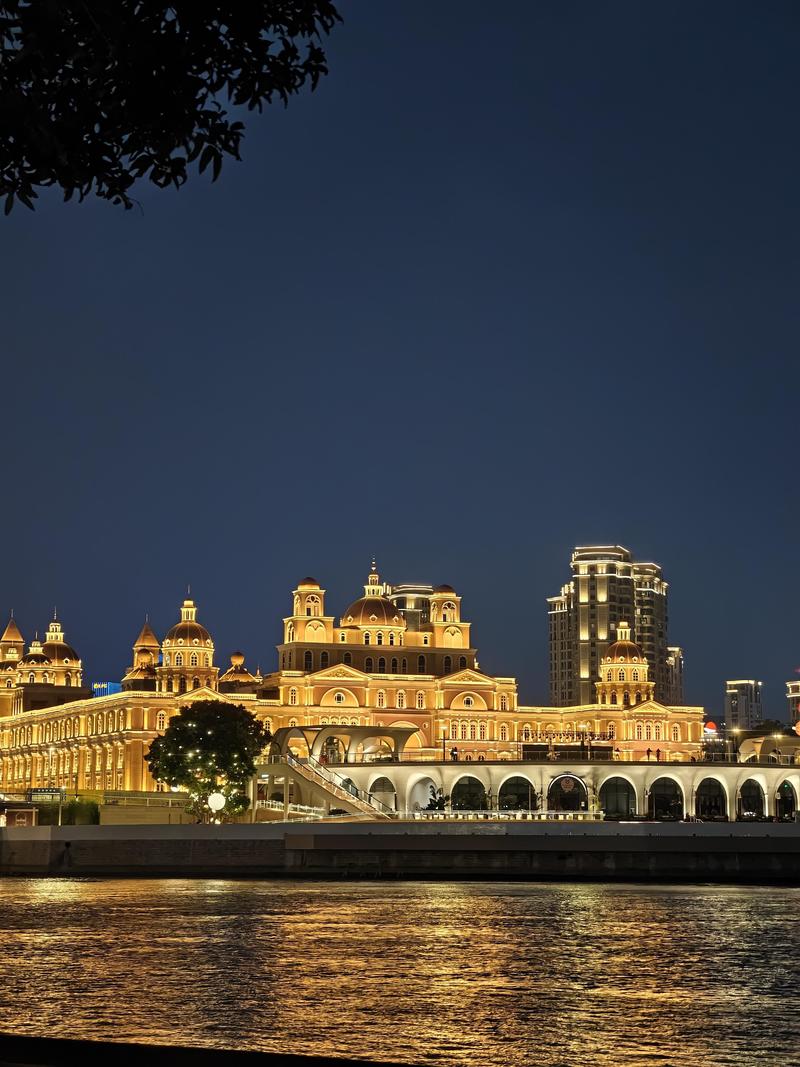
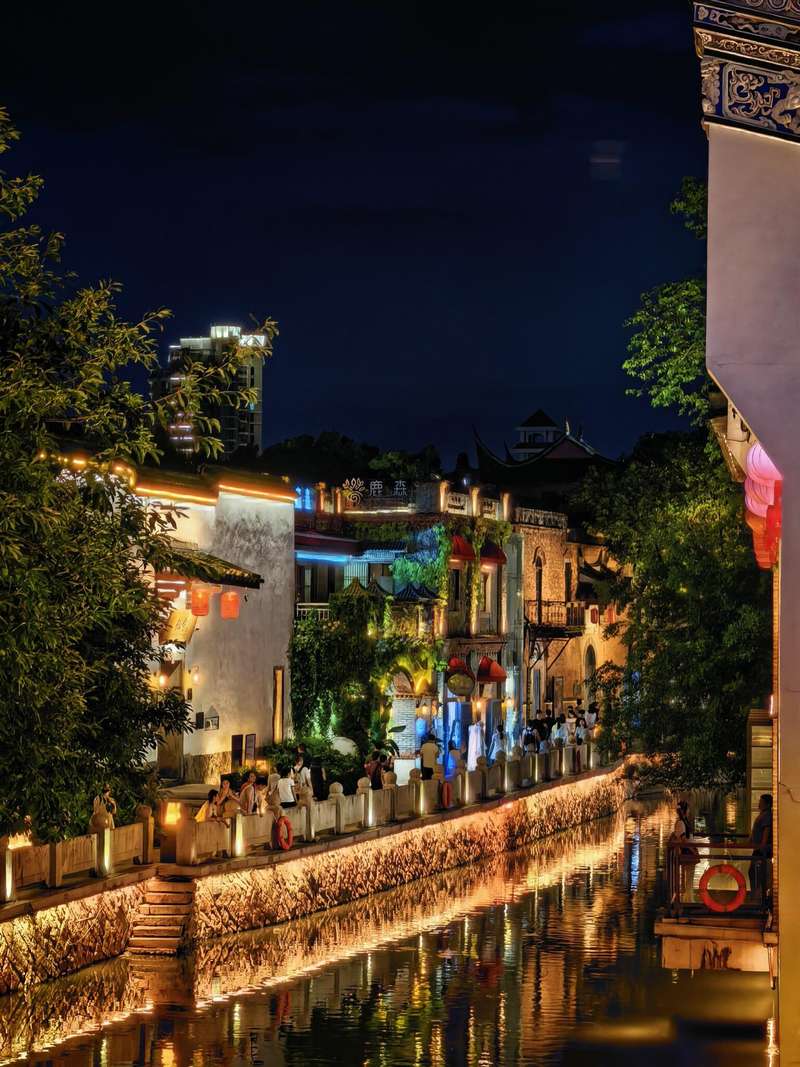
End the day at Shangxia Hang (上下杭), the old trading quarter on the north bank, which only really comes alive after dark. The arcaded streets, the old houses, the lanterns and the food stalls make it the best evening walk in Fuzhou. Eat as you walk — this is snacking territory, not a sit-down dinner — and do not be surprised if the three famous streets start to blur together. They sell much the same things. What makes Shangxia Hang worth your evening is the river air and the light, not the shopping.
Day Two: The Old City
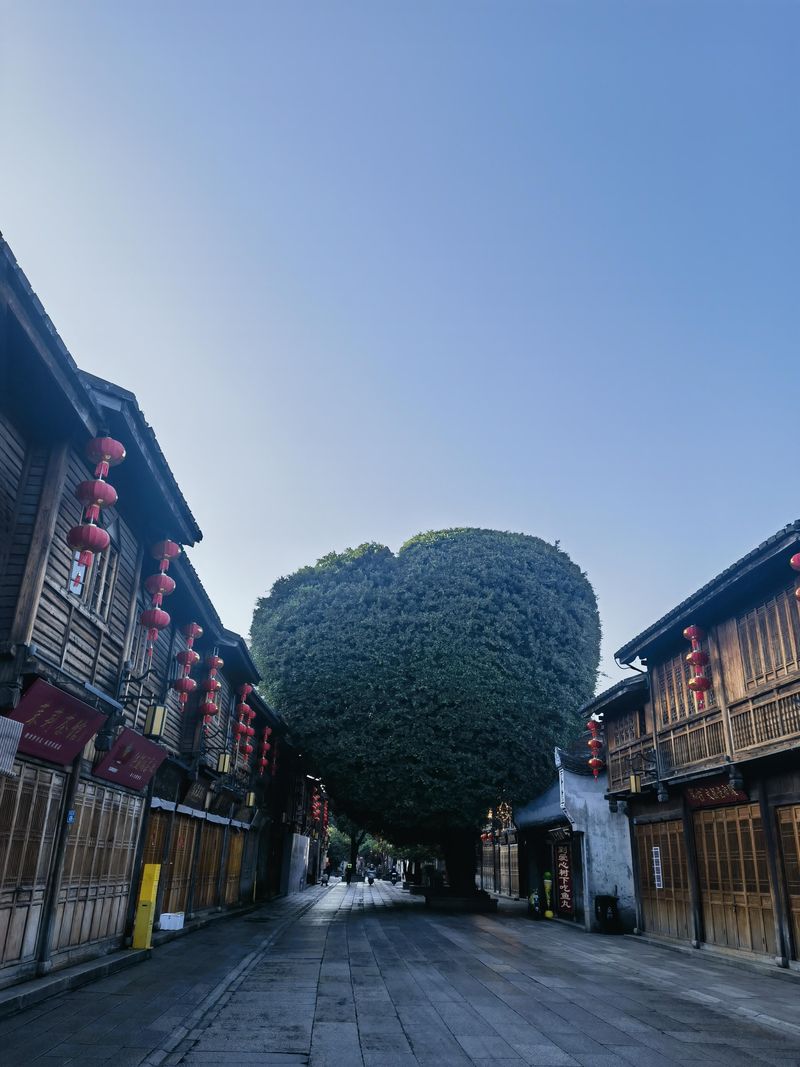
Start early at Sanfang Qixiang, the “Three Lanes and Seven Alleys”, and go in knowing the one thing that changes the whole visit: the free former residences are mostly empty houses with display boards. The paid halls are the point. The Small Yellow Building (小黄楼) and the Waterside Theatre (水榭戏台) are, as one blogger put it, where the soul of the place lives — buy the joint ticket, or you will walk the main street, look at a lot of shops, and leave wondering what the fuss was about. Hire a guide, or do your homework first; the lanes reward anyone who knows what they are looking at, and bore anyone who does not. The free sites that are genuinely worth your time are the Shiqi Art Museum (石齐美术馆), the Ermei Study (二梅书屋) and the Intangible Heritage Museum (非遗博物馆). And find the heart-shaped banyan, the Love Tree (爱心树) — it is the one photo spot in the lanes that lives up to its reputation. When the main street gets crowded, escape into the side alleys. That is where the old city still feels old.
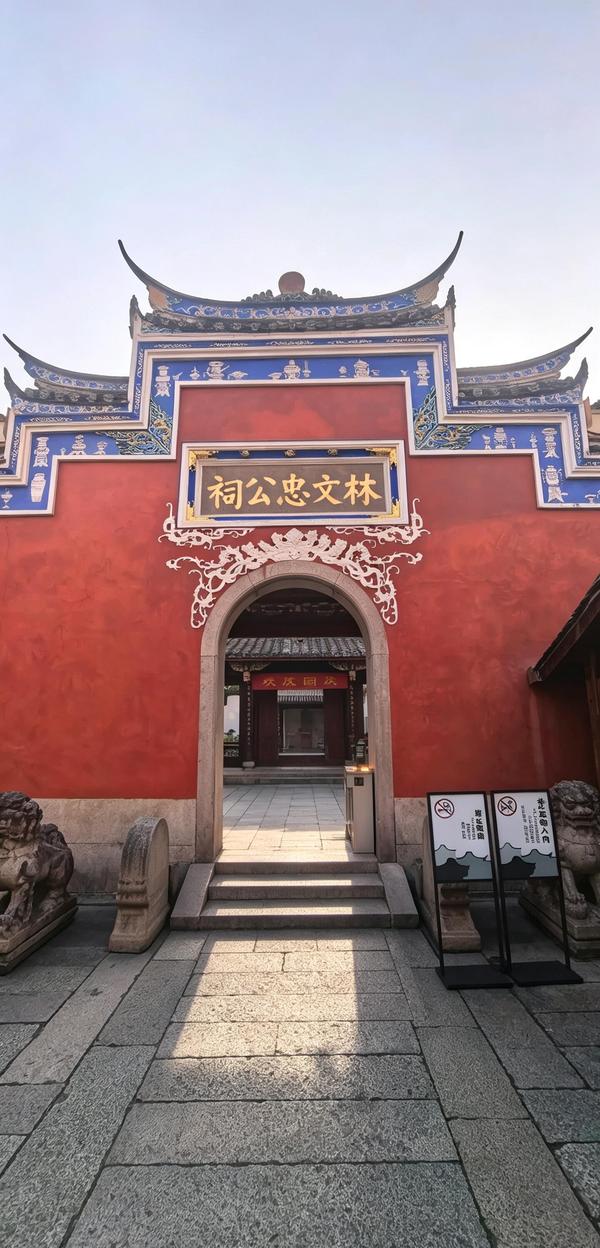
From Sanfang Qixiang it is a short walk to the Lin Zexu Memorial Hall, and I would not skip it — one blogger called it the best thing she saw in Fuzhou, and I agree. Lin Zexu (林则徐) was a Qing dynasty official, and the hall is a model of how to tell a story: the exhibition is clear, the rooms are calm, and you come out understanding the man and the city better than any amount of street-walking would teach you. It was Lin who ordered the destruction of seized opium at Guangzhou, the act that helped trigger the Opium Wars — and Fuzhou is where he came from, which is why the city keeps his memory so carefully. It does not take long. Go.
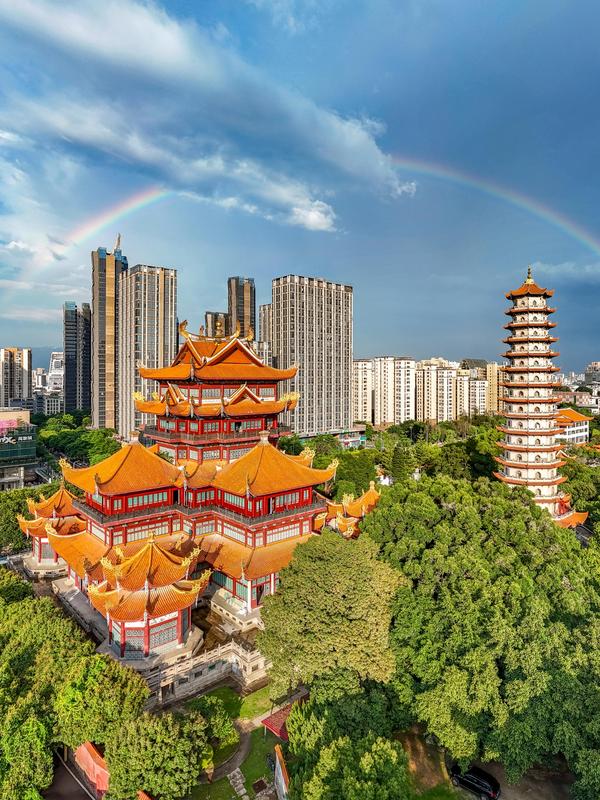
Lunch at Dongjiekou, the old commercial heart around the corner — there is an upstairs restaurant with a view over the rooftops towards Sanfang Qixiang, and the streets around it are full of the small, old food shops that Fuzhou does best. Then spend the afternoon at Xichan Temple (西禅寺), which is at its best in the mid-afternoon, when the light falls properly on the pagoda. See the Bao’en Pagoda (报恩塔), the Hall of Five Hundred Arhats (五百罗汉堂), the Jade Buddha Hall (玉佛楼), the ancient Song Dynasty litchi tree (宋荔古树) and the Thousand-Hand Guanyin (千手观音). Midday is strongly backlit and much less kind to photographs, so do not rush here from lunch.
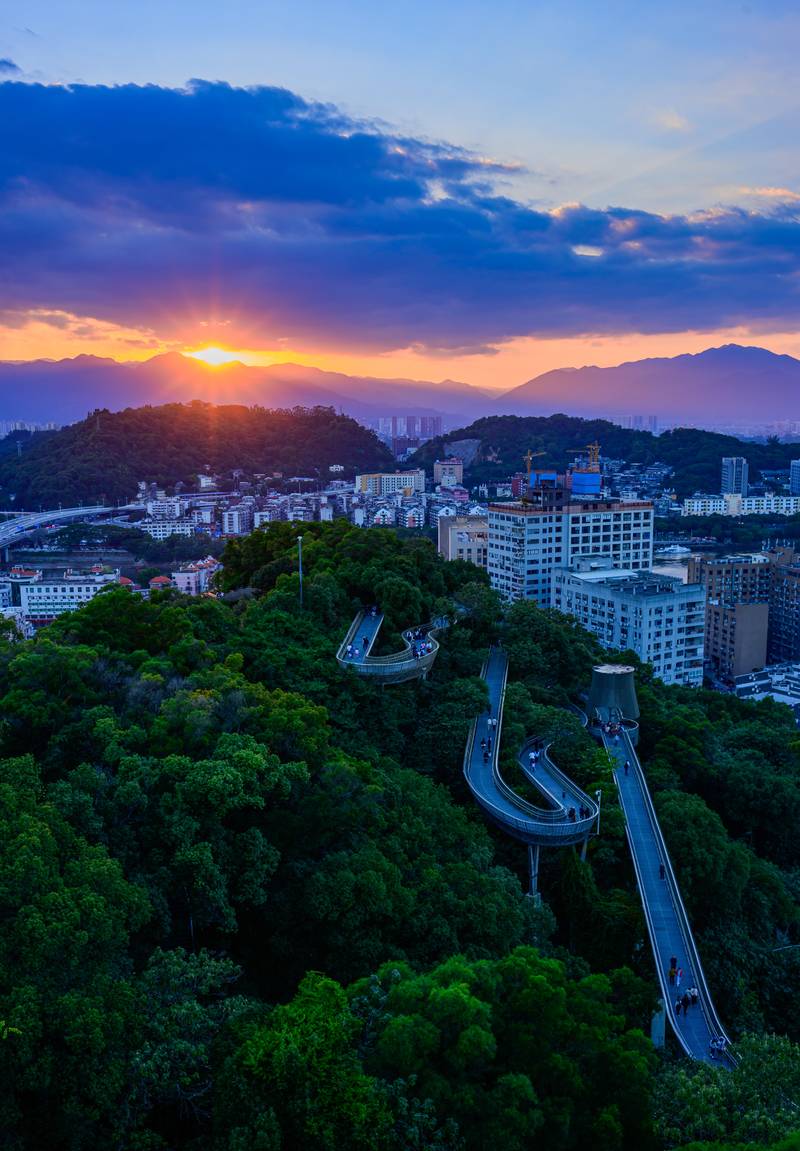
In the evening, walk the Fuzhou Forest Walkway (福道), the elevated forest path that threads through the hills above the city. It is long, so do not go if you dislike walking — but at dusk, with the city lights coming on below and the trees closing over the path, it is one of the most peaceful hours Fuzhou offers. Enter and leave at Gate 3 if you want the easiest route. If you still have energy afterwards, the riverfront is a short ride away, and a slow walk along the Min River is a good way to end the day.
Day Three: Choose Your Ending
Option A: Pingtan Island — the Sea Day
If the sun is out, go to Pingtan. If it is not, do not. That is the whole rule. Pingtan is a weather island: on a sunny day it is one of the most beautiful stretches of coast in China, and on a cloudy or foggy day it is a long way to go for grey sea and grey sky. Check the forecast the night before, and be ready to swap to Option B.
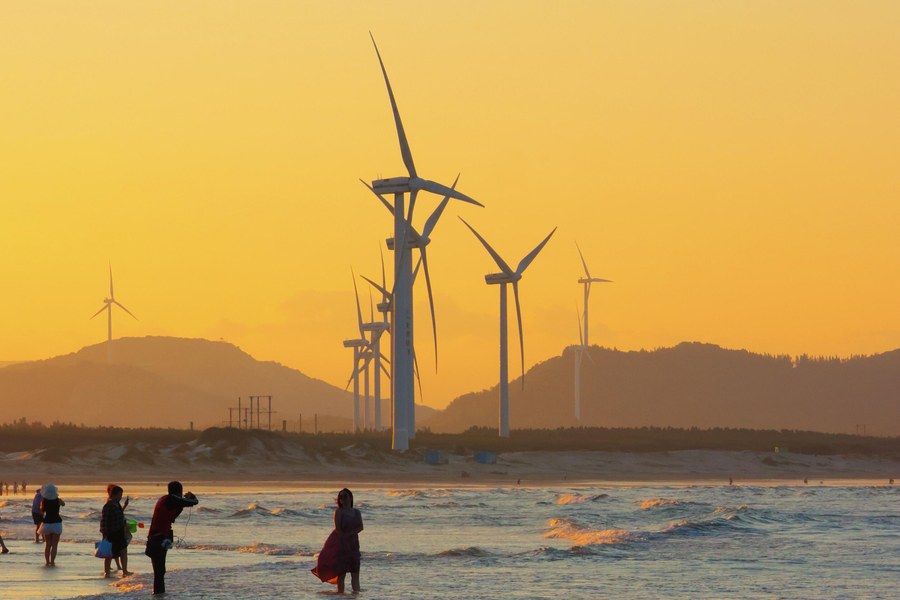
Pingtan is split into a north line and a south line, and one day is only enough for the north. Do not try to do both — the bloggers who tried ended up rushing, and the ones who took their time all say the same thing: walk the north line properly, and leave the south line for another trip, or stay a night. Take the high-speed train from Fuzhou station and you are there before you have finished your tea. On the island, rent a small electric scooter or a car — the scooter is freer and lets you stop anywhere, the car has air conditioning between stops — and drive the ring road, one side mountains, one side sea, windmills turning all along it.
Start at Beigang Village (北港村), the old stone-house fishing village where the lanes are built from the island’s own stone, and the cafés sit in converted stone houses with the sea at the end of the street.
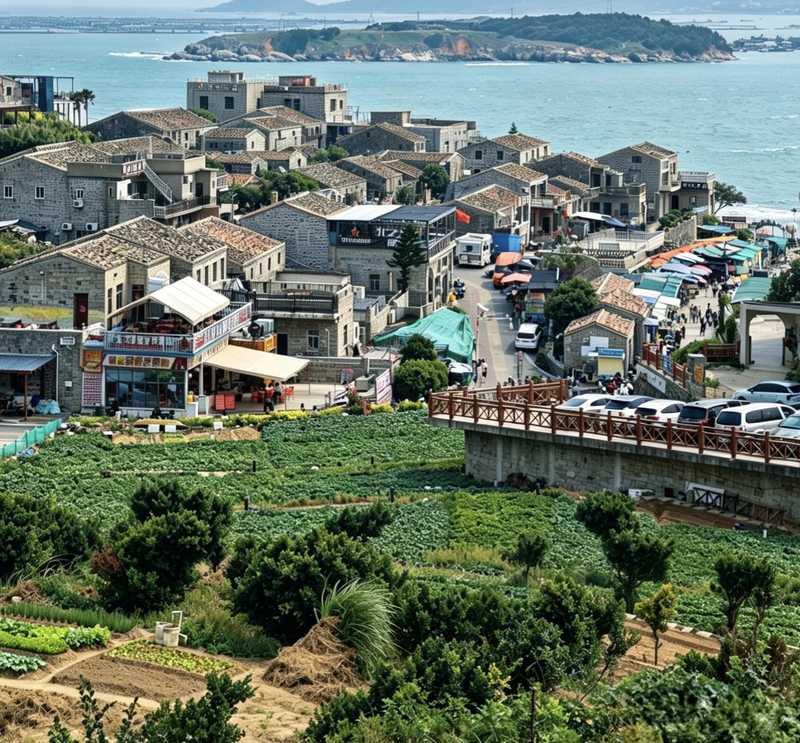
Then drive on to the Northern Bay Ecological Corridor (北部湾生态廊道), which several bloggers call the most beautiful place on the island: park at the official lot and walk up to the F2 viewing platform, which is the best place on Pingtan to watch the sunset.
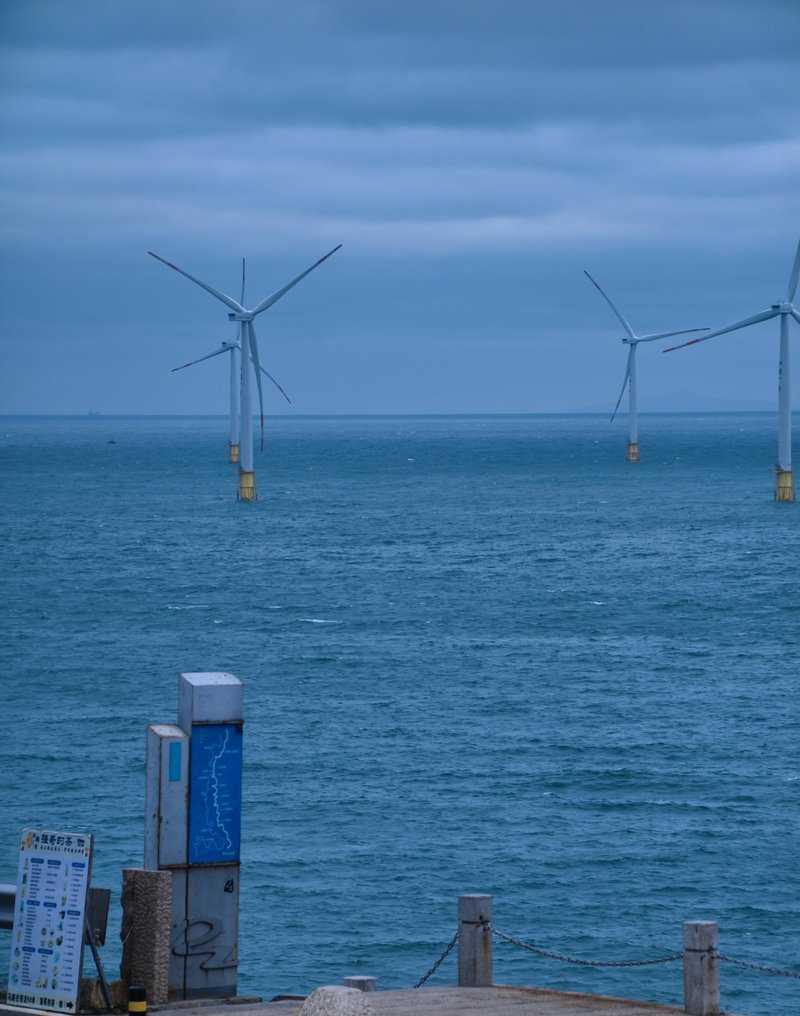
Finish the day at the Changjiang’ao Windmill Field (长江澳风车田), where the windmills stand in the shallow water and the sunset turns the whole bay gold — although a couple of bloggers argue the Northern Bay platform is the better sunset spot, so if you have to choose one, choose F2 and let the windmills be your afternoon.

Two warnings, both earned the hard way by other travellers. First, the parking: at the popular spots, people will wave you into their own far-away lot and tell you the official one is full. It usually is not. Drive past them into the official car park, never prepay, and check your tyres before you leave — nails in unofficial roadside parking are a known trick. Second, the restaurants: the highly rated places near the scenic spots are often review-farmed, and the seafood is priced by accent — different quotes for locals and outsiders. Skip the recommended shops, pick a random small stir-fry place, bargain yourself, and prefer fixed prices. And bring sun protection: the wind makes you forget the sun, and the sun on Pingtan does not forget you.
What to skip on the island if you are short on time: the Fairy Well (仙人井), also called the East Sea Wonderland (东海仙境), which is a fenced-off sinkhole that is spectacular in sun and a disappointment in cloud — worth a look on a bright day, skippable otherwise. Check the tide table before going to Jingsha (镜沙), the black-sand beach, because the reef cave only appears at low tide, and the rocks are hard on ankles. And leave generous time for the ride back to the station — the return from the Northern Bay takes a full hour by scooter, and the island’s roads are bumpy and its navigation unreliable.
Option B: The Slow Day — Mountain Air and Hot Water
If the weather turns, or if the sea is not calling you, take the slow day instead. Start with Guling (鼓岭), the old mountain town above the city, where the air is cool, the villas are a century old, and the views run over Fuzhou and the Min River. It is a two-hour visit, not a full half-day of activity, and that is its charm: walk the old trails, sit with a bowl of pot-edge paste from a street stall, and watch the fog come and go. One honest blogger warned that it is a once-is-enough kind of place, and that the autumn colours the guides promise do not always show up — go for the air and the quiet, not for a photograph you have already seen online.
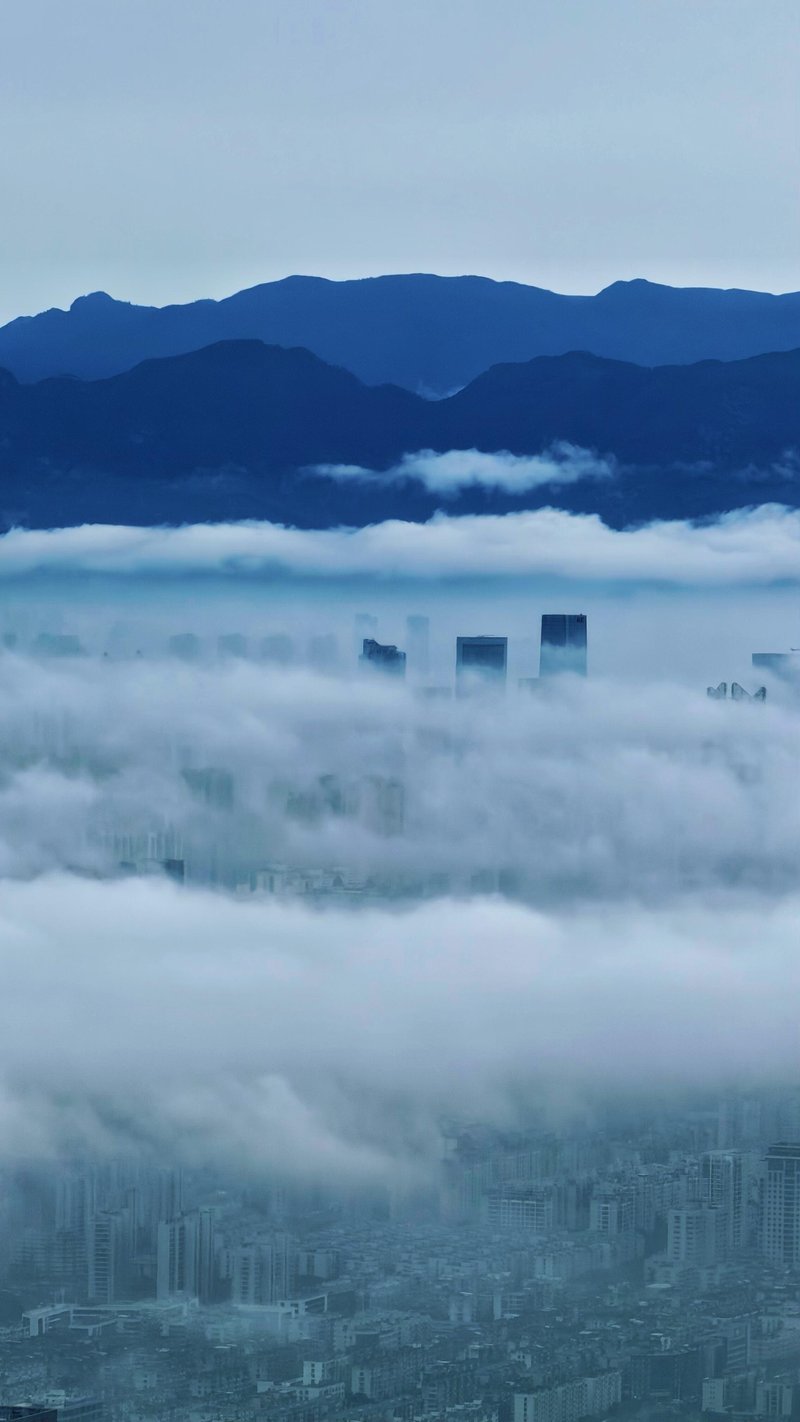
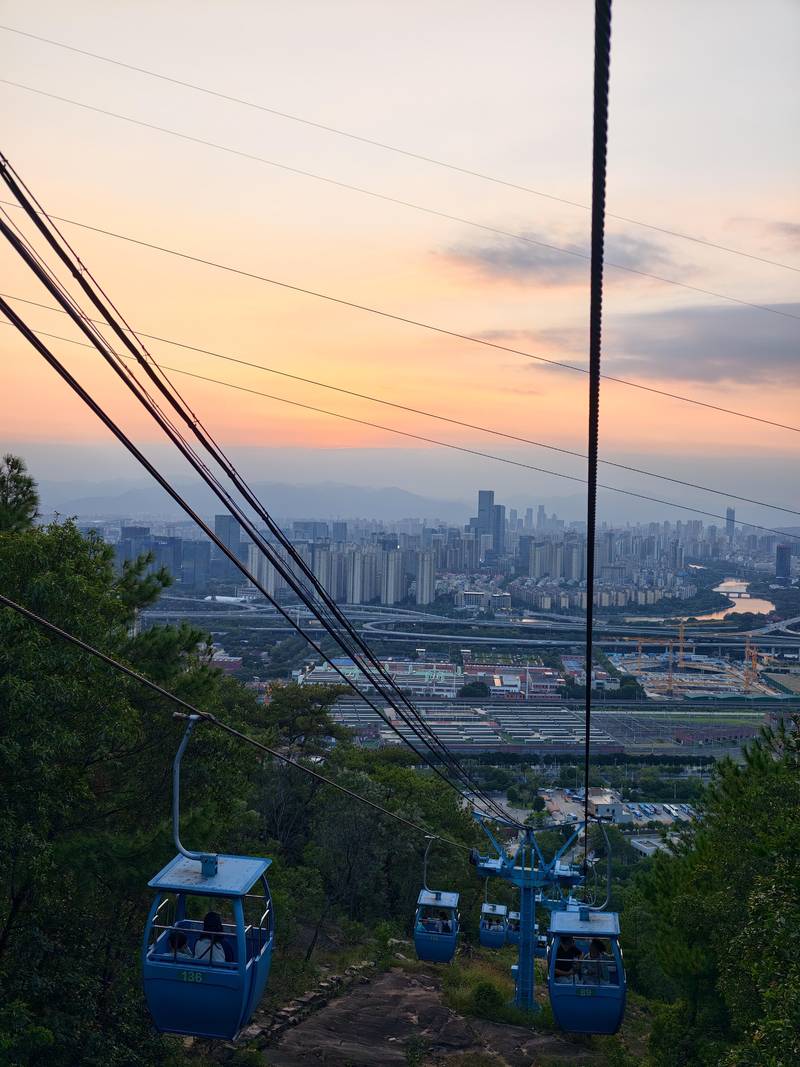
In the late afternoon, climb Gushan (鼓山), the Drum Mountain, for sunset. Take the metro to Gushan station and the minibus up to the Eighteen Views (十八景), then walk to the cable-car platform for the view everyone photographs: the cable cars crossing the valley with the sun going down behind them, and the blue hour settling over the city afterwards. Bring mosquito repellent — the platform is notorious for them — and expect queues for the cable car on holidays. The Yongquan Temple (涌泉寺) on the mountain is worth seeing and pairs smoothly with the climb.
If you would rather soak than climb, swap the mountain for the hot springs at Guian (贵安). The one to name is Guian Xishan Hot Spring (贵安溪山温泉), a mountain resort where the pools sit among the hills, children get a water park and adults get to soak properly — a family resort, not a quick dip, so give it a proper half-day or do not go at all. And if you are not interested in hot springs, skip Guian entirely: it is a resort destination, and a lukewarm visit is worse than none.
What to Eat
Fuzhou food is Min cuisine (闽菜), one of China’s great regional cuisines — and it is the best reason to come here. The city’s cooking is light, fresh and seafood-led, with a sweetness that surprises first-timers and a habit of putting fish in everything. Eat in the lanes, not on the main streets. The main street of Sanfang Qixiang is repeatedly flagged as expensive, tourist-priced and full of pre-made dishes; the best food is in the side alleys, at Daming Food Street (达明美食街) and at neighbourhood old shops. The same souvenir, I noticed, sells for different amounts on different streets an hour apart — so treat the main streets as a walk, not a meal.
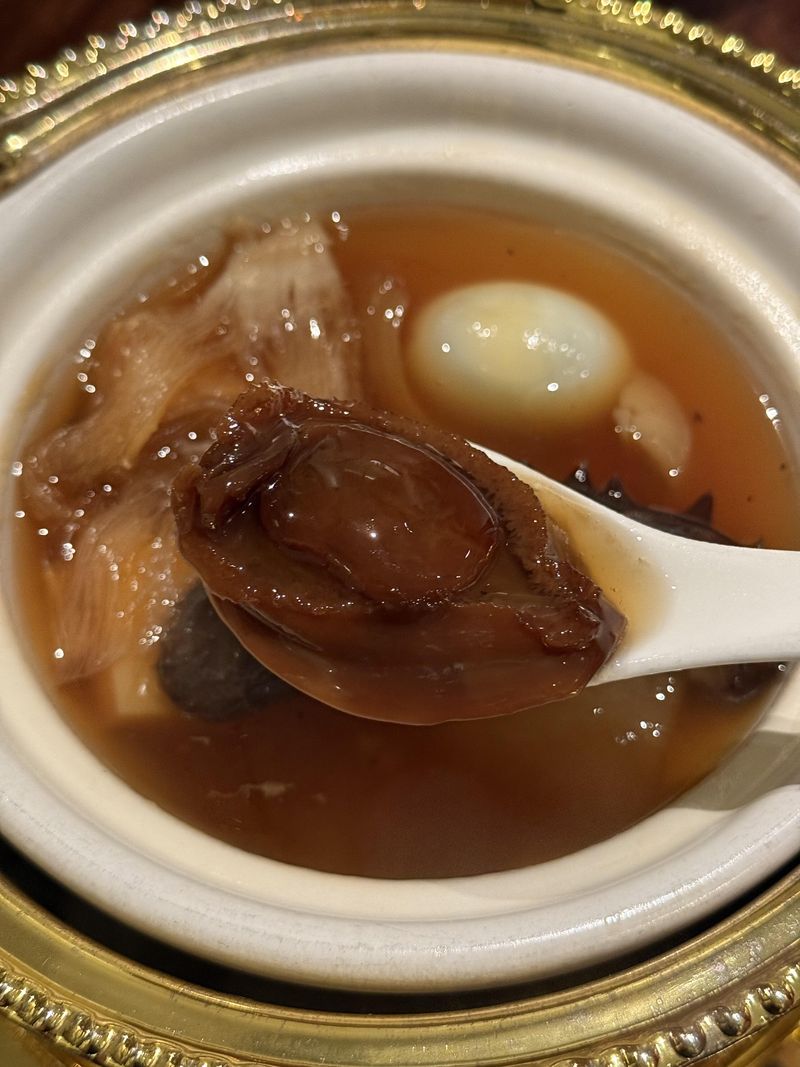
Start with the dish the city is famous for, and be careful with it. Buddha Jumps Over the Wall (佛跳墙) is Fuzhou’s great banquet dish, invented at Juchunyuan (聚春园), and the real thing is a slow-cooked, clear-brothed stew of abalone, sea cucumber and shark fin that takes days to prepare. The cheap stew pots sold under the same name are a different dish entirely — a small individual pot, not Buddha Jumps Over the Wall at a bargain. If the price looks too good to be true, it is not the dish. One blogger I trust sends everyone to Juchunyuan Jiamei (聚春园佳美) by the river in Cangshan (仓山) for it, and even the famous names divide opinion, so treat it as a special meal, not a snack.
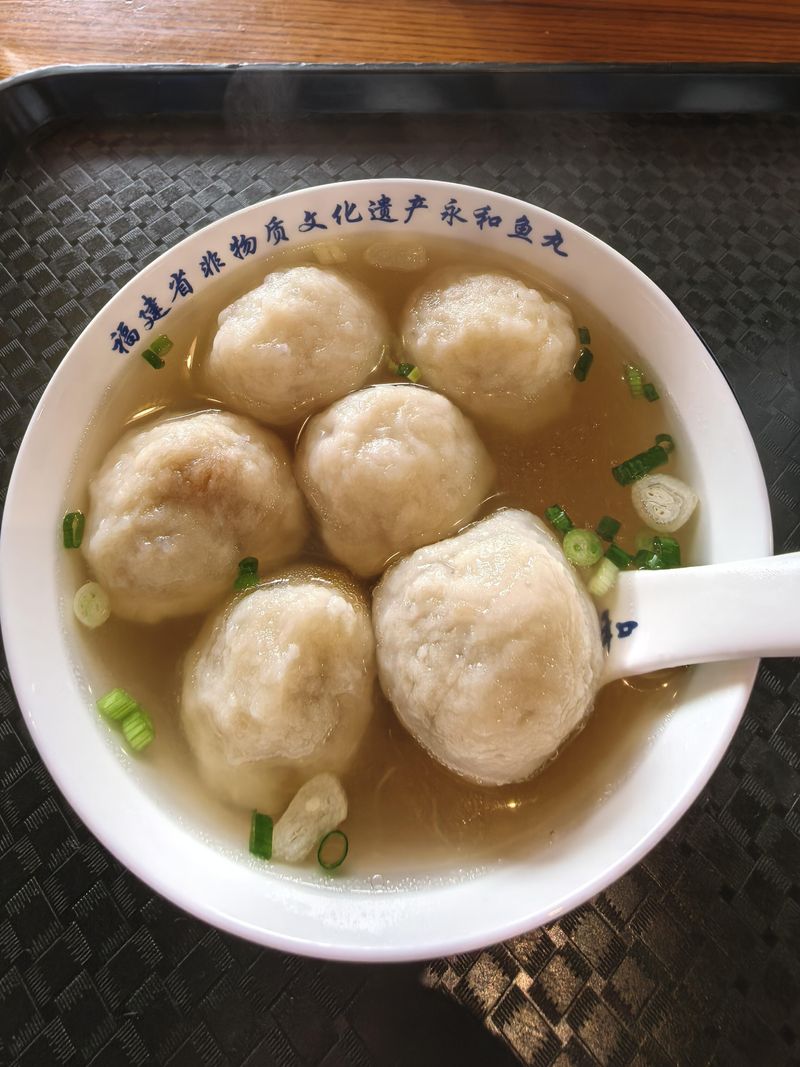
Fish balls (鱼丸) are the everyday classic, and here the bloggers disagree in a useful way. The most famous shop is Yonghe (永和) on South Back Street (南后街) in Sanfang Qixiang, but one blogger who tried them all says the Sanfang Qixiang fish balls are just average, and sends visitors to Nangang Fish Ball Shop (南港鱼丸店) near Shangxia Hang instead — order the fish ball soup, the shark mince soup (鲨鱼滑汤) and the fried rice noodles with garlic sauce, seasoned with vinegar and white pepper. Go in the morning; the good shops sell out by noon. Whatever you do, do not swallow a fish ball whole — the filling is scalding.
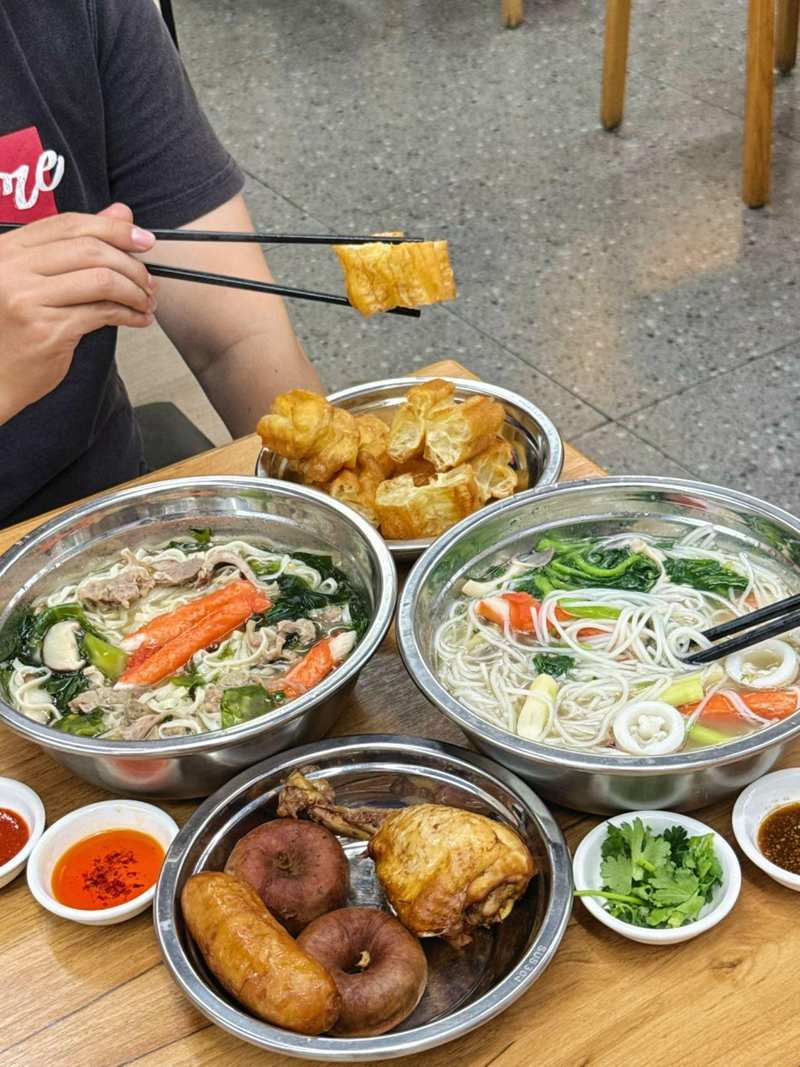
Meat swallows (肉燕), the thin-skinned wontons made from pounded pork, are the other half of the classic pairing: Tongli (同利肉燕老铺) on Aomen Road (澳门路) does the fish-ball and meat-swallow combination plate that locals order without thinking. For breakfast, find pot-edge paste (锅边糊) and rice-paste soup (糊汤粉) — the dishes the city wakes up on — at Antai Lou (安泰楼), the old generalist that also does the oyster cakes (海蛎饼) and the taro paste (芋泥). And then there is laohua (捞化), the rice-noodle soup that every Fuzhou local has an opinion about: do not order four or five toppings, or it turns into mala tang. Ask for Xinghua noodles (兴化粉), a fish-sauce dip and garlic sauce, taste the soup first, and add chilli only afterwards. One much-liked blogger says the famous shops are optional — any neighbourhood shop near a community will do — and for solo diners she recommends Axin (阿信鲜捞) on Guangda Road (广达路).
Two dishes to try without a shop to send you to: litchi pork (荔枝肉), the sweet-and-sour pork that is named on every must-try list but has no single trusted shop anyone could agree on, and Taiji taro paste (太极芋泥), the hot, sweet taro dessert that looks cool on the surface and is scalding inside — a sweet trap for the unwary. Order it, take your time, and do not let the pretty swirl fool you.
Booking, Honestly
Where to stay is the one thing the bloggers actually disagree about, so here are the three answers. The usual advice puts Dongjiekou and Sanfang Qixiang first — the most central, walkable to everything. One blogger who lives the route says Taijiang near Suning instead — convenient everywhere, cheaper than Sanfang Qixiang, lots of food nearby. And if you want atmosphere, stay inside Yantai Mountain, where the old courtyard guesthouses let you step out straight into the lanes. Self-drivers should know that Taijiang is the most central and Gulou (鼓楼) the most congested. No one I read suggested splitting the stay between two areas, so I will not invent that for you.
One warning for foreign guests, and it matters: I could not find a single named, verified minsu in Fuzhou that is confirmed to accept foreign guests. One traveller was publicly asking whether any Fuzhou minsu can host foreigners at all, and the one video of a foreigner in a luxury minsu names no property. Some minsu do host foreigners, but do not assume yours does — confirm foreigner acceptance in writing before you book, and prefer a branded hotel, which is set up for passport registration, over an unvetted minsu.
Getting in is easier than the old guides say. The airport does have a metro now — the Binhai Express (滨海快线) runs from Changle Airport (长乐机场) to Fuzhou station, and the walk from the first terminal to the station is short, while the walk from the second terminal is longer and leg-tiring, so allow time for it. If you land late at night the metro may already have stopped running, and the airport bus is the fallback. By train, use Fuzhou station (福州站) — locals call it the North station — which sits in the city centre with the metro outside; Fuzhou South (福州南站) is far out in the suburbs and far from everywhere, so check your ticket before you book, since most trains bound for Fuzhou station pass through the South station first.
Two traps to carry with you. First, the ride-hailing one: a driver at the airport asked one traveller to cancel her app order and pay offline, then double-charged the toll on the way back. Never go off-platform, and complain through the platform if it happens to you. Second, the holiday one: do not come to Fuzhou at Chinese New Year without planning. One blogger’s New Year trip saw hotel prices surge several times over, the old food shops closed for the holiday, and the famous streets so packed she left after two streets. As one commenter put it, Fuzhou punishes the traveller who just shows up. Any other time, the same writer notes, the hotels are reasonable and the small restaurants stay open late.
If you are here around the Lantern Festival, look up the god parades (游神) — they run in the days around the festival, the liveliest are out in Changle (长乐), and you should reserve a whole evening for one. Check the times online before you go; they are usually accurate. And if you rent an e-bike for the old-city lanes, wear a helmet — it is mandatory for rider and passenger alike, and the police do enforce it.
What I’d Skip
The Fujian Museum. I know that sounds harsh for a provincial museum, but one blogger gave it her hot-spring time and regretted it — a bland collection, old displays, and a special exhibition as the only consolation — and the commenters agreed. Go to the China Shipbuilding Culture Museum (中国船政文化博物馆) across the river in Mawei (马尾) instead, which is the museum Fuzhou does well.
West Lake Park (西湖公园), if you are short on time. It is not ugly — it is just too similar to the parks every city has, and a lakeside walk you could take at home is not worth an afternoon in Fuzhou. If you have a spare hour and the weather is kind, it is a pleasant walk; if you are choosing between it and something else, choose something else.
Liangcuo (梁厝) as a special trip. It is a pretty, quiet old village — a Southern Song dynasty settlement, older than most of what you will see in the city — and one blogger loves it for exactly that quiet. But the ancestral halls and the Longrui Temple (龙瑞寺) are closed, the new commercial streets feel brand new, and the loudest advice in the comments is not to make a special trip for it. If you are passing through Mawei for the shipbuilding museum, it is a pleasant stop on the way. Do not build a day around it.
The three famous streets as pure strolls. This is the most repeated complaint in all my research: Sanfang Qixiang, Shangxia Hang and Yantai Mountain, walked as pure shopping streets, are much the same thing three times over — the same jasmine tea, the same souvenirs, the same crowds. One disappointed traveller said she could buy everything on one street that she could buy on the other two, and the locals in her comments did not really disagree: they said the streets are boring if you only stroll, and worth it if you do the paid halls, take a guide, or walk the side lanes. The counterpoint is worth hearing too — locals go to Yantai Mountain countless times, and Shangxia Hang is improving — but the warning stands: do not spend a day walking all three. Do them the way this guide does them, with a purpose in each, and spend the time you save eating.
Pingtan’s south line in a single day, and Pingtan in winter. The south line is a second day, not an extra stop, and winter on the island is wind, cold and closed activities — one blogger who has been five or six times simply says not to go in winter. Late autumn is a gamble on sunshine, not a flat no, but do not plan your only sea day for the cold months.
Summary
Fuzhou is not a city that shouts. It is a city that feeds you, walks you along a river at dusk, and waits to see whether you slow down enough to notice it. Two days in the city, done the way this guide does them — the river and the hill, then the old city — and a third day at the sea, or on the mountain, is the right shape for it. Eat in the lanes. Buy the joint ticket. Take the metro to the airport. And if the sun is out, go to Pingtan.
If you are travelling on through Fujian, Quanzhou is the old port city to the south, and Xiamen is the slow island city down the coast — both worth the same unhurried three days. Fuzhou will not mind waiting. It is used to travellers who come back.