
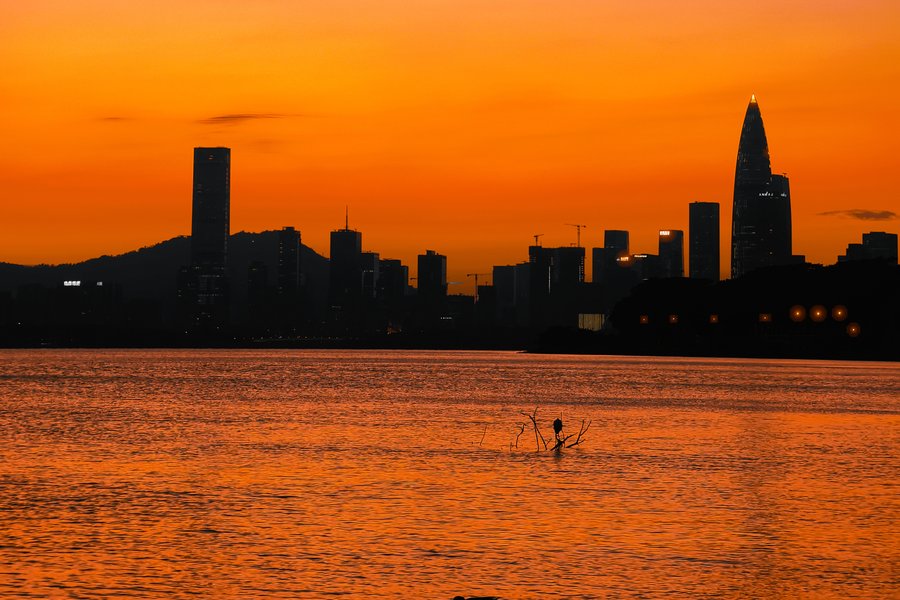
I have been to nearly every corner of China, and Shenzhen still wrong-footed me. I stepped off the train at Futian (福田) station and went looking for the old town, the way I always do. There was no old town to find. No wall, no temple roofline, no lane of grey brick. Just glass, and more glass, and a city that looked as if it had been rendered rather than built. Friends had warned me before I came: Shenzhen is not really worth visiting. For one afternoon, I believed them.
Then I borrowed a shared bike and rode along Shenzhen Bay as the sun went down, and the whole sea turned orange, with Hong Kong across the water and the towers behind me catching the last of the light. That is when I understood the trick. Shenzhen does not show you old China. It shows you something else entirely: a city built in a single lifetime, and the best of it is free.
At a Glance
- How long: Three days. Day One in Nanshan (南山), Day Two in Futian, Day Three on the coast.
- Best season: October to March. Summer is hot, humid, and prone to sudden rain.
- Base yourself: Futian, around the Civic Centre (市民中心) and Gangxia (岗厦), for first-timers; Nanshan, around Houhai (后海) and Shekou (蛇口), for the slower trip. Stay within a short walk of a metro station.
- Getting around: Metro first, shared bikes along the bay, taxis when you are tired. Driverless taxis run in parts of the city now, and one ride is worth it for the novelty alone.
- Book ahead: Museums need advance booking and have a weekly closing day, so check before you go. The same goes for the Observatory viewing platform and the popular restaurants.
- Before the coast: Check the weather. On a sunny day the sea is jelly-clear; on a cloudy day it is yellow mud.
- Pack: Sunscreen, a light jacket for the evening sea wind, and mosquito repellent for the bay parks.
Day One: Nanshan, the New City at Walking Pace
Start where the city is oldest, which is not saying much in Shenzhen. Nantou Ancient City (南头古城) dates back to 331 AD, nearly 1,700 years, and it is the root of both Shenzhen and Hong Kong, the place this whole region was once governed from. Be honest with yourself about what you are looking at, though: most of what stands there now is new, and the genuinely old buildings are a small fraction of the whole. What Nantou does well is atmosphere. Cafes, bookshops and snack stalls fill the old street plan, and it is the best place in the city to slow down on your first morning.
Eat your way through it. The snack walk is the point: double-skin milk (双皮奶) at Houshengji (厚生记), mango sago at Tunan Bingshi (图南冰室), black-sesame mochi at Nuo Jiji Maci (糯叽叽麻糍). None of it is fancy. All of it is good.
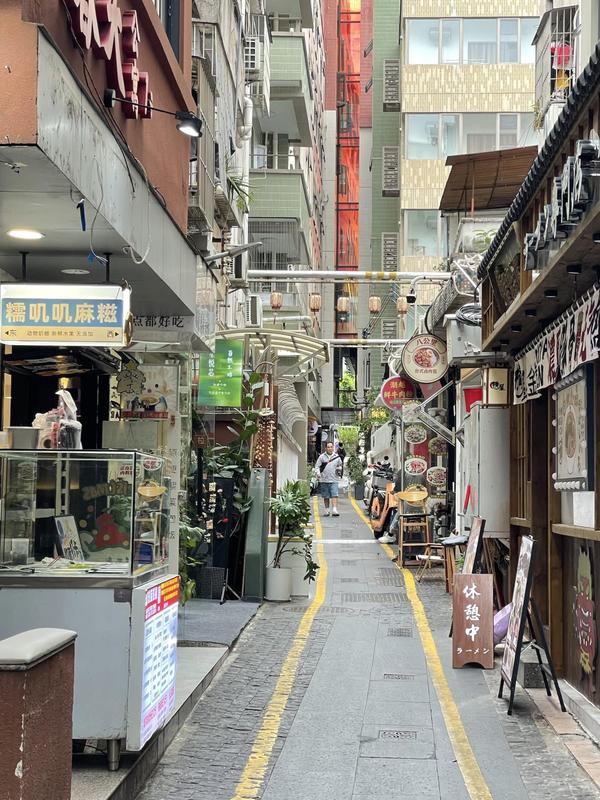
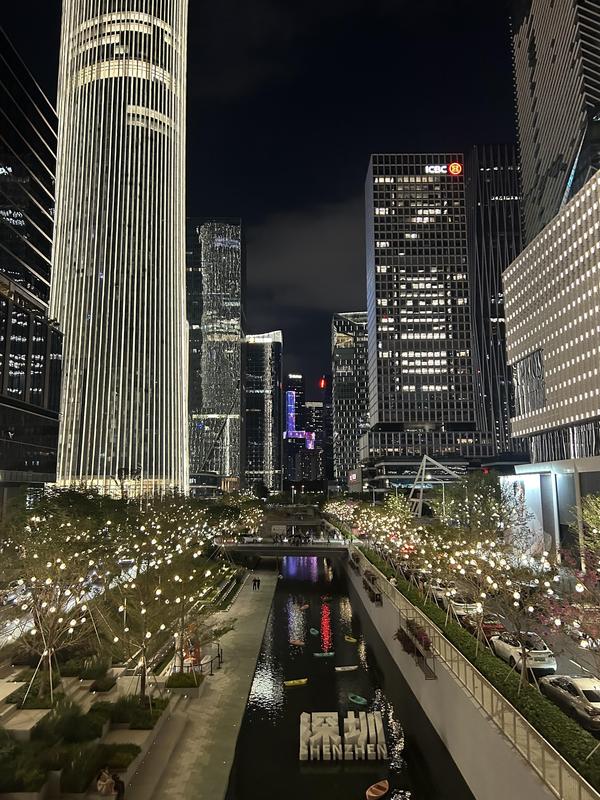
From Nantou, head to MixC World (万象城), the mall district that every blogger photographs. The giant statue in the square is the famous shot, and the “Shenzhen Manhattan” viewpoint is the second one. Enjoy both, but do not make a special trip for either: the statue is mall decoration, and the trick is to pass through on your way to better things.
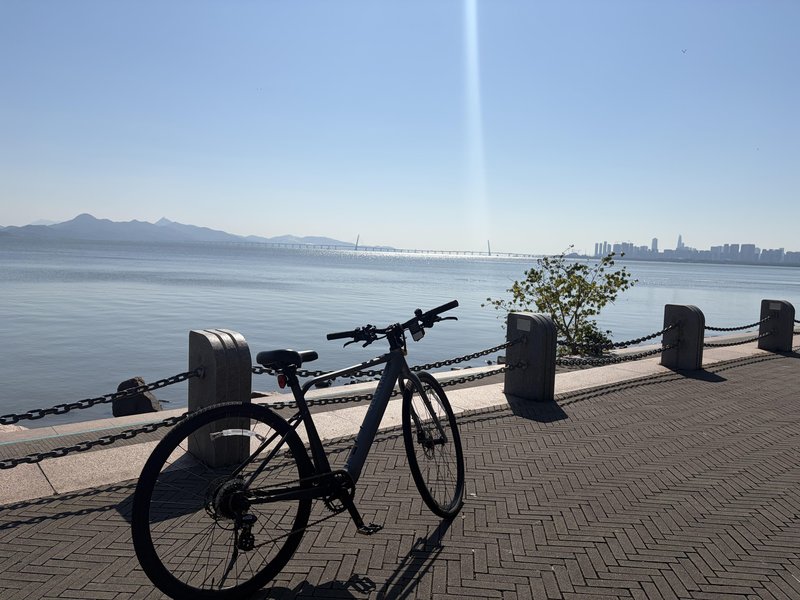
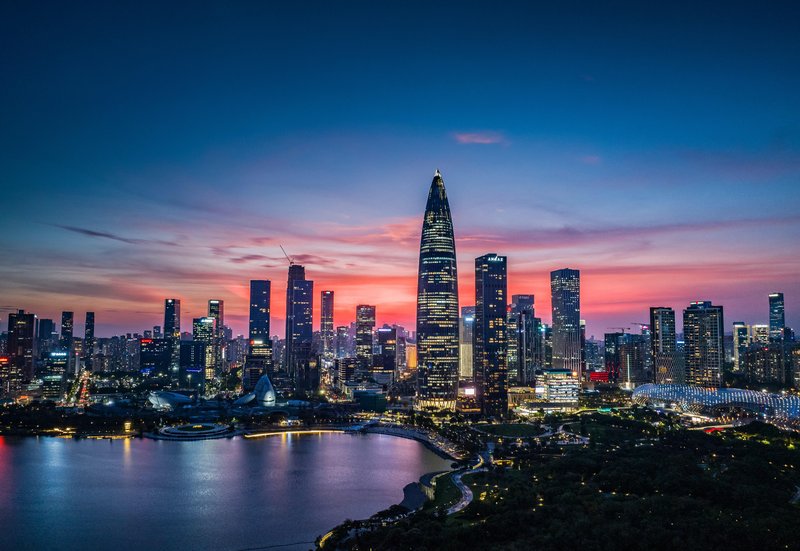
The better thing is the bay. In the late afternoon, pick up a shared bike and ride Shenzhen Bay Park from east to west, mangroves on one side, the sea on the other, Hong Kong across the water. It is the ride the whole city seems to be on at that hour, and it costs almost nothing.
Time it so you end at Talent Park (人才公园) for sunset. The Spring Bamboo (春笋) sculpture is the landmark, and bloggers call this the best sunset spot in the city. They are right. Stay for the blue hour, when the towers light up behind you.
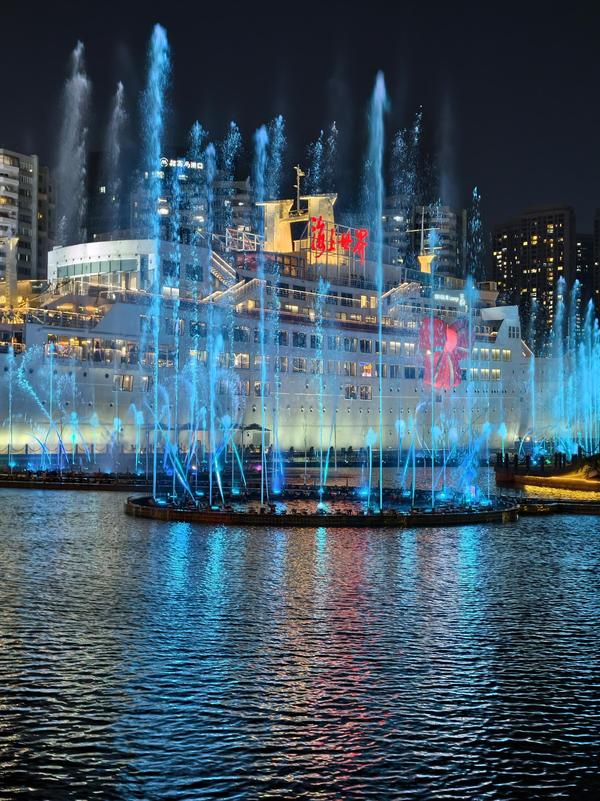
For the evening, walk to Sea World (海上世界) in Shekou. The old cruise ship Minghua sits in the middle of the square, lit up, and the music water show runs on weekends. It is touristy and it is fun, and the restaurants around the square are a good place for your first proper dinner: Chaoshan beef hotpot (潮汕牛肉火锅), ordered by the cut and eaten fast, the broth doing most of the work. If you would rather skip the crowds, Joy Harbour (欢乐港湾) is the quieter evening walk, and its park is free.
Day Two: Futian, the View from the Top of the Hill
Day Two is the city itself. Start at Lotus Hill Park (莲花山), a twenty-minute climb to the statue of Deng Xiaoping at the top and the classic view over the central business district. The lawn below is where the city comes to picnic, and on a clear morning you can see the whole logic of the place laid out in front of you: the towers, the parks, the bay in the distance.
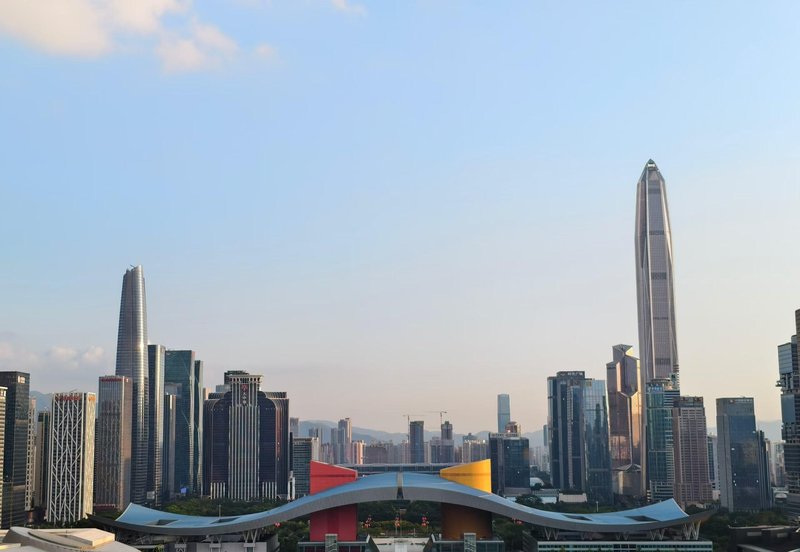
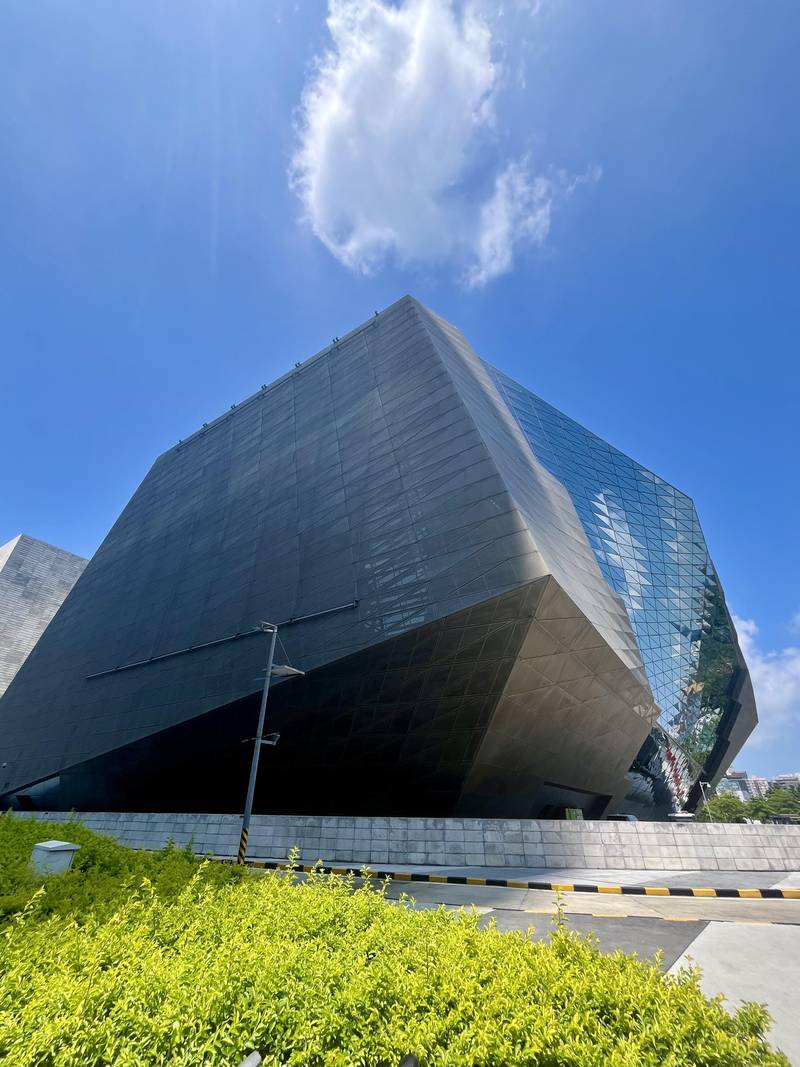
Down the hill, the Shenzhen Museum’s new hall at the Civic Centre tells the founding story, from fishing town to special economic zone, and it tells it well. Book ahead, and remember the weekly closing day. Next door, the Contemporary Art and Urban Planning Museum is worth an hour for the city-planning models alone: you can stand over a miniature Shenzhen and finally understand how a place like this gets built.
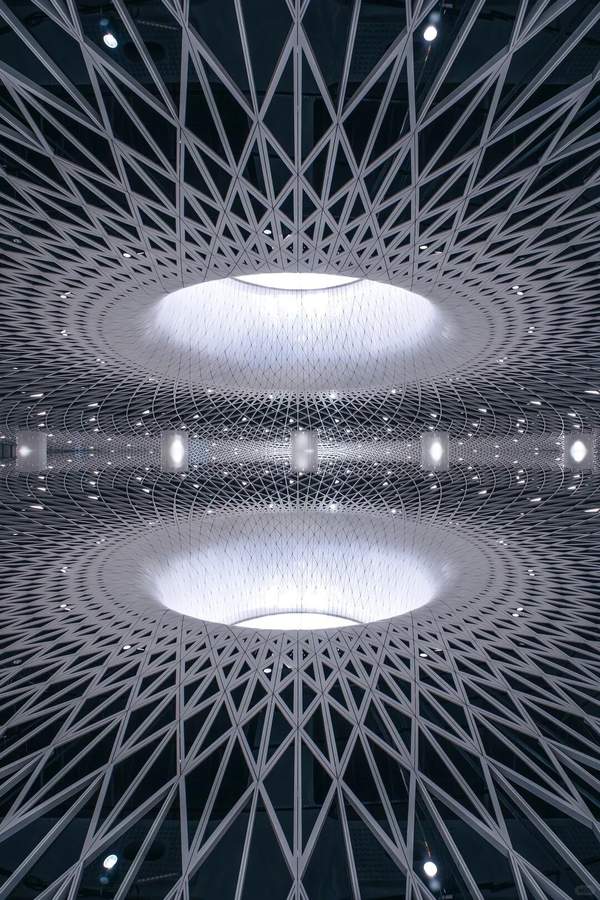
From there, walk to Gangxia station for the Shenzhen Eye (深圳之眼), the great round window of the metro station that has become the city’s most photographed piece of infrastructure. It is a five-minute stop and a good photograph.
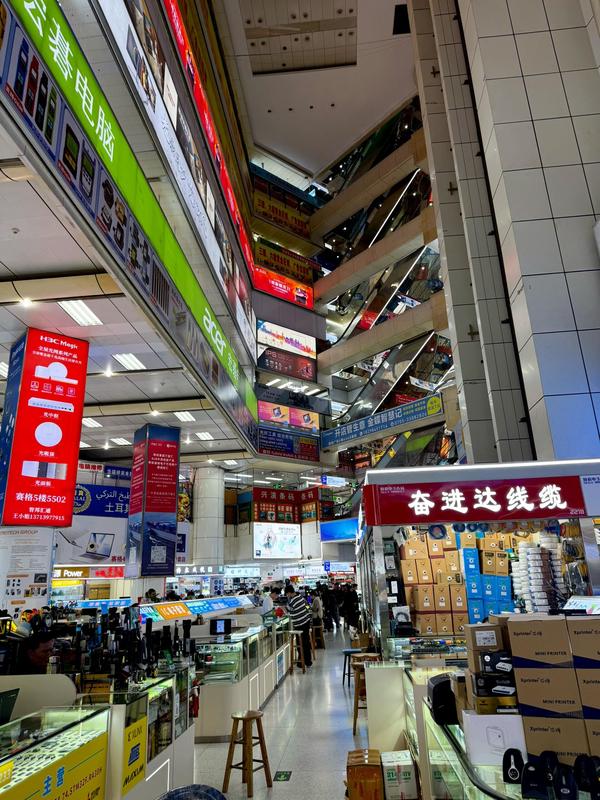
Evening belongs to Huaqiangbei (华强北), the electronics markets. Go to look, not to buy. This is a wholesale market, and it is cold to retail buyers: prices for the same pair of earphones can vary several-fold from one stall to the next, and you will do better online. What it is worth is the spectacle, floor after floor of everything electronic that exists, and the feeling of standing in the place that supplies the world’s gadgets.
Dinner on Day Two is coconut chicken (椰子鸡), the dish Shenzhen claims as its own. The broth is made from coconut water, so it comes out fresh and sweet, and the order of eating matters: drink the soup first, then the chicken, then the vegetables, and finally the noodles. I will name the shops properly in What to Eat, but know this in advance: there is no single agreed best shop, and the famous chains are not automatically the best ones.
Day Three: The Coast, Two Ways
The coast is the day that makes the trip. Choose the version that fits you.
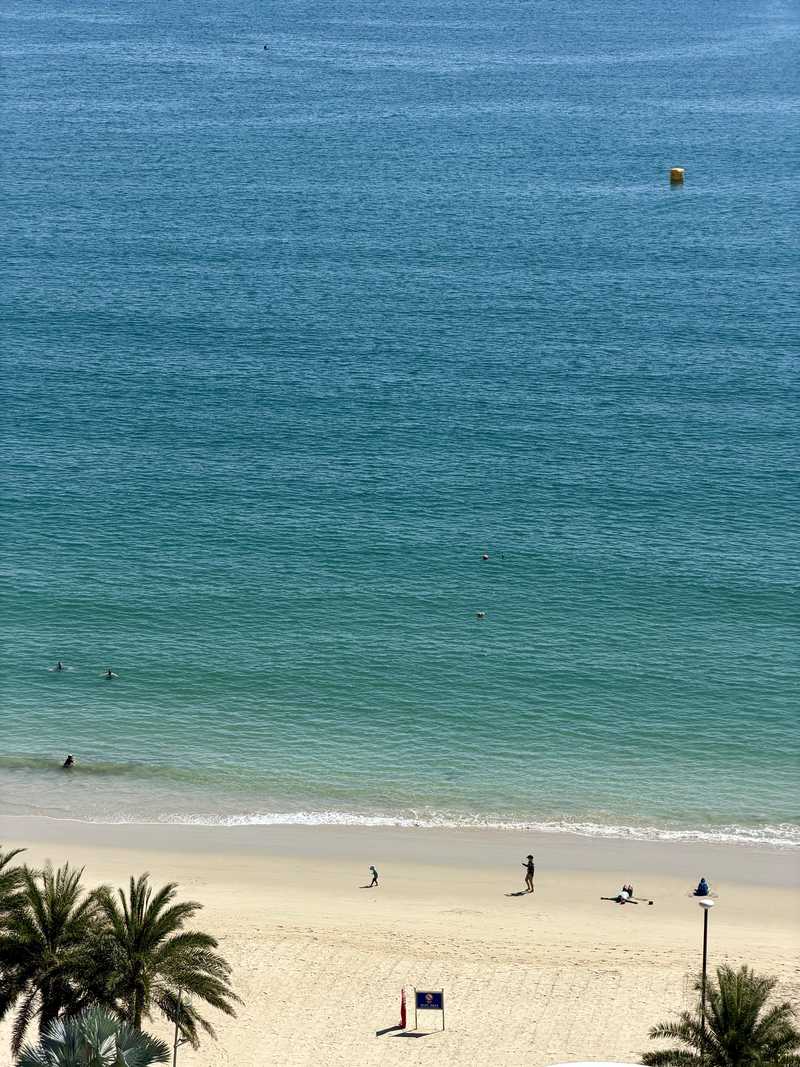
The easy coast: Dameisha (大梅沙) and Yantian (盐田). Take Metro Line 2/8 to Dameisha station and walk out of Exit A onto a free beach, 1.8 kilometres of sand with a boardwalk running along it. Walk the boardwalk to the right, an easy coastal stroll, and come back to the beach for the sunset light. Go on a weekday and arrive in the late afternoon, when the water is at its bluest and the crowds are thinner. On weekends it is packed, and the sand is coarse under bare feet. If you have time left, one stop along the line is Xiaomeisha, and the boardwalk continues toward the Yantian lighthouse library.
The full day: Dapeng (大鹏). This is the longer, wilder coast, and it needs a whole day. Take the E11 bus from Shenzhen North station, then the local buses out to the peninsula. Start at the Observatory (深圳天文台) in the morning, take the shuttle to the top, and walk the cliff boardwalk down, then the speedboat back to Xichong (西涌) beach.
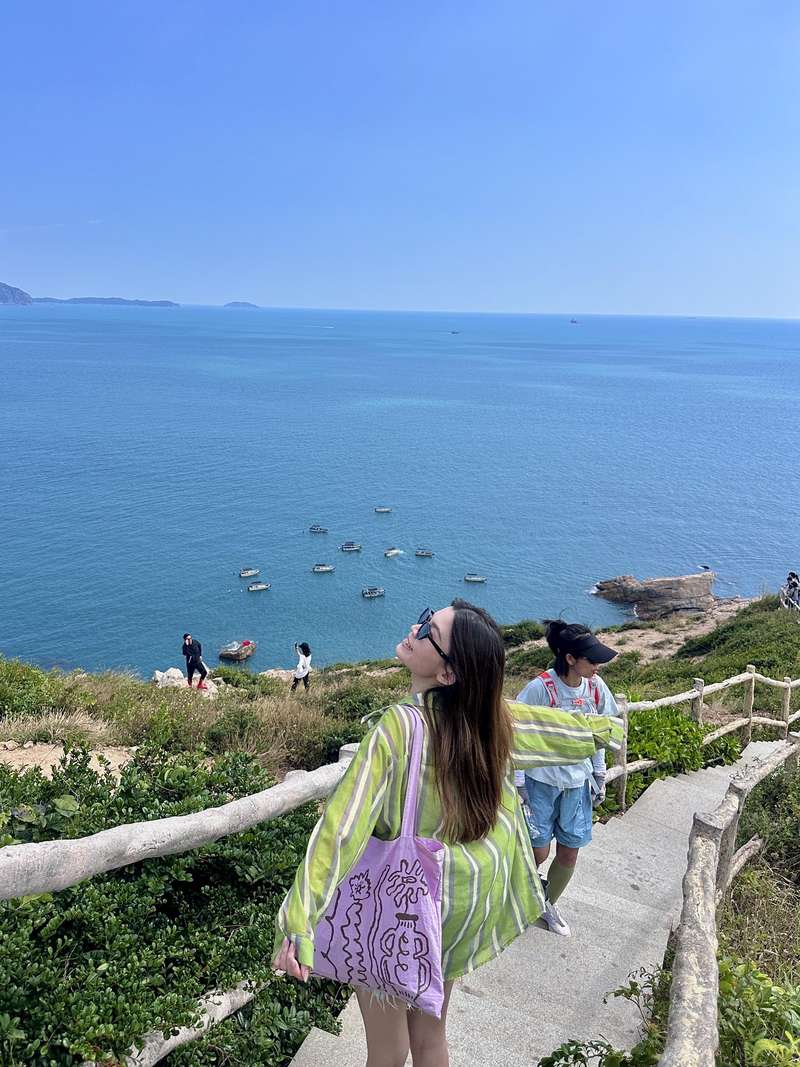
Xichong is the most relaxed beach in Shenzhen: soft white sand, surf, beach bars, and far fewer people than Dameisha.
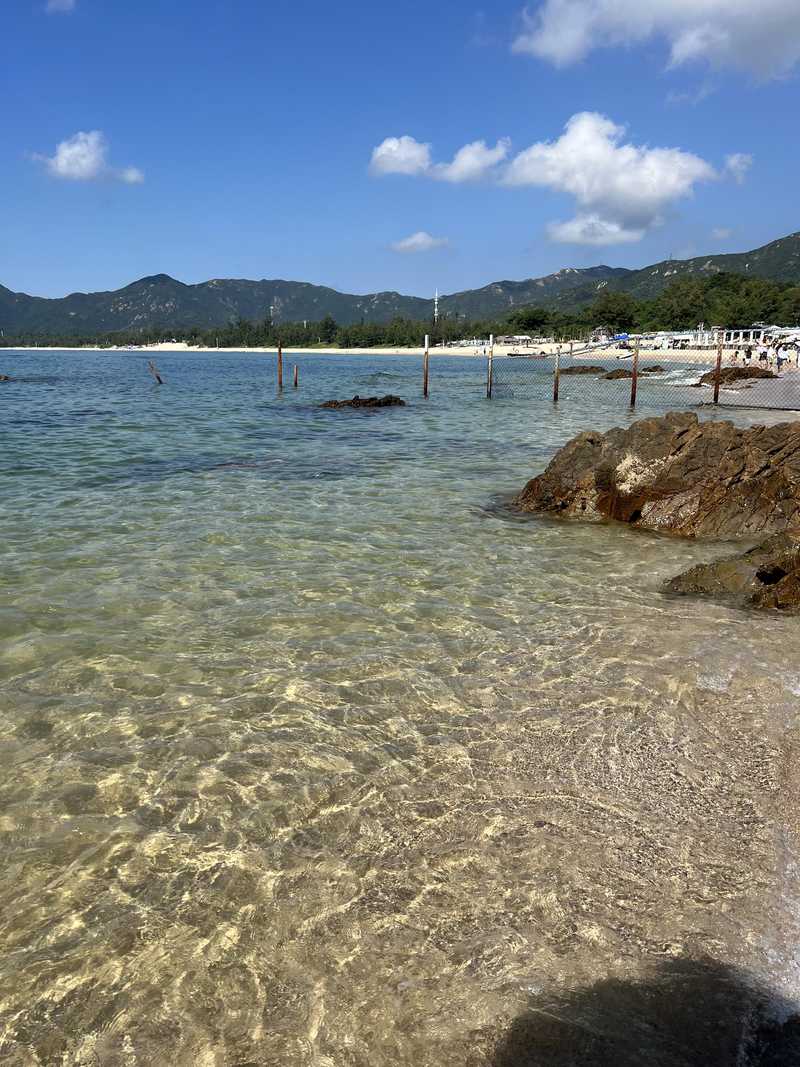
Yangmeikeng (杨梅坑) is the rocky coast nearby, reached by sightseeing car or e-bike, beautiful and not for swimming; have lunch at the seafood restaurants by its car park.
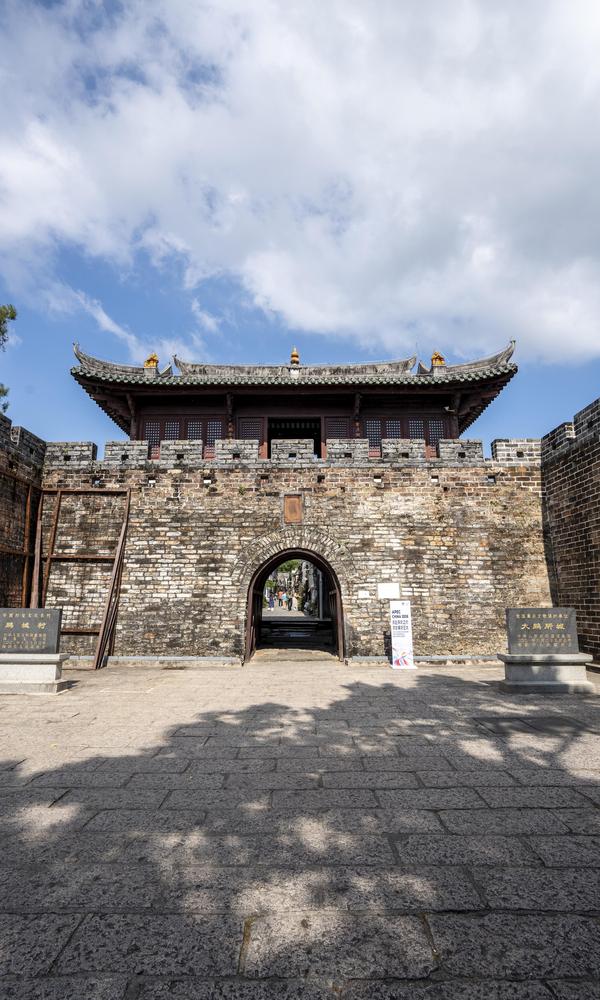
Finish at Dapeng Ancient City (大鹏所城), the walled fortress built in the Ming dynasty in 1394, when this coast needed defending from pirates. It is the reason Shenzhen is nicknamed Pengcheng, the City of the Roc, and it is the one place in the city where the old China you went looking for on Day One actually survives in stone. The garrison here fought the British in the first battle of the Opium Wars in 1839, and the general’s residence still stands inside the walls.
Two warnings for the Dapeng day. First, the Observatory divides bloggers: one much-liked post calls the boardwalk-down route the best walk in Shenzhen, and another calls the whole place overcharged and badly maintained, with a fenced-off bottom that leaves you paying for a speedboat back. Go for the boardwalk and the coast, not for the Observatory building itself, and you will be fine either way. Second, after the late afternoon it gets very hard to find a ride-hailing car at Yangmeikeng, so leave before dark. And in the summer season, cars entering the peninsula on weekends need to be booked in advance, so take the bus instead.
What to Eat
Shenzhen has no single signature dish, and that is the honest starting point. This is an immigrant city: everyone came from somewhere else, and they brought their food with them. Cantonese cuisine is the base, Chaoshan and Hunan are everywhere, and the seafood is as fresh as the coast it comes from. The strength of eating here is variety, not one famous plate.
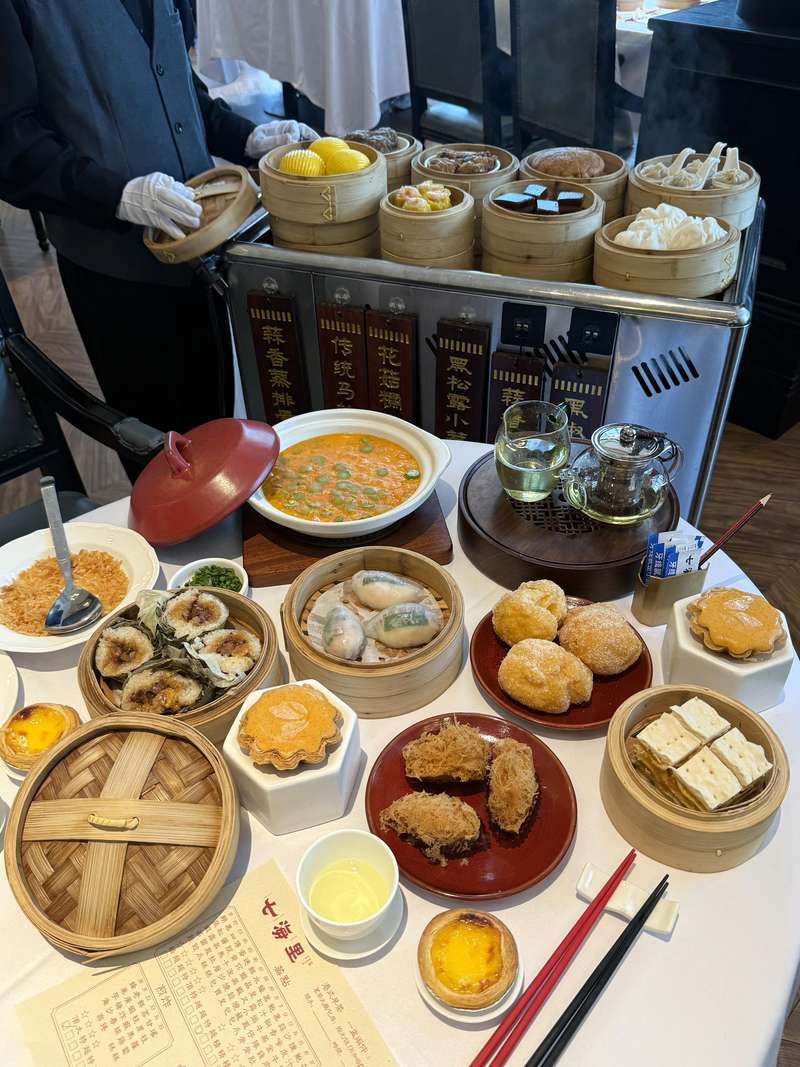
Morning tea. Start at least one day with yum cha, and go early. Xi Hui (喜荟), at Huaqiangbei in Futian, is the local favourite, the closest thing in the city to a Shunde tea house, and two people will struggle to finish what they order. Fan Lou (蘩楼) is the famous one, the queue king, and its red-rice roll and shrimp dumplings are genuinely good, but expect a long wait and mixed reviews: one blogger calls it the city’s biggest food trap. Diandude (点都德) is the reliable chain, stable quality in every branch. Order the red-rice roll, the shrimp dumplings, phoenix claw and an egg tart, and take a number online before you go. Chinese tea culture runs on small rituals here: pour for others first, tap two fingers on the table to say thanks, and leave the teapot lid ajar when you want a refill.
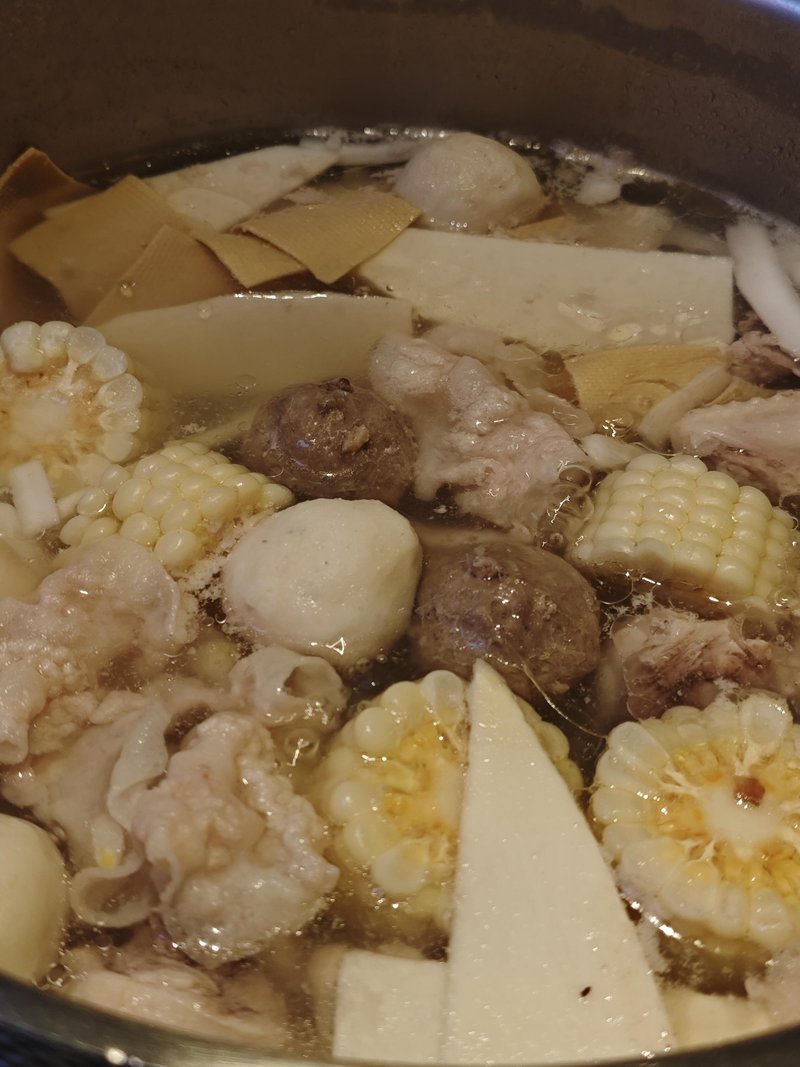
Coconut chicken (椰子鸡). The broth is coconut water, the chicken is poached in it, and the soup comes first. Yuanwei Zhuzhang (原味主张) in Nanshan is the commenters’ pick, praised above all for its soup. Runyuan Siji (润园四季) is the famous chain with branches everywhere, but several readers say its quality has slipped since the pandemic, and the comments argue about it endlessly. There is no consensus, so try one and judge it yourself. One rule holds everywhere: if a shop looks far cheaper than all the others, there is a reason.
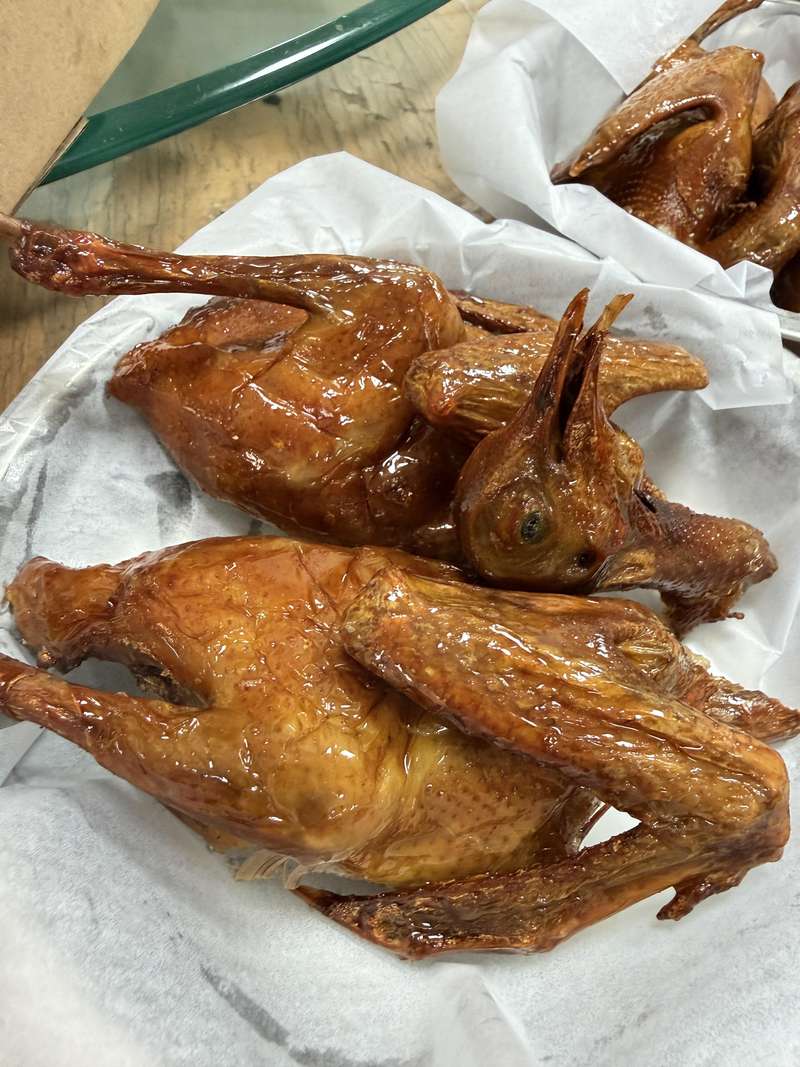
Guangming pigeon (光明乳鸽). Crisp skin, tender meat, and a trip out to Guangming (光明) district to eat it properly. Guangming Zhaodaisuo (光明招待所) is the famous shop, and you should book ahead, but be warned: several bloggers say it is overpriced now, not as good as it used to be, and not worth a special trip. Liu Bing Ruge (刘冰乳鸽), right next door, is the locals’ alternative. Order the red-braised pigeon, and add lotus-leaf rice and white-boiled prawns if you are making a meal of it.
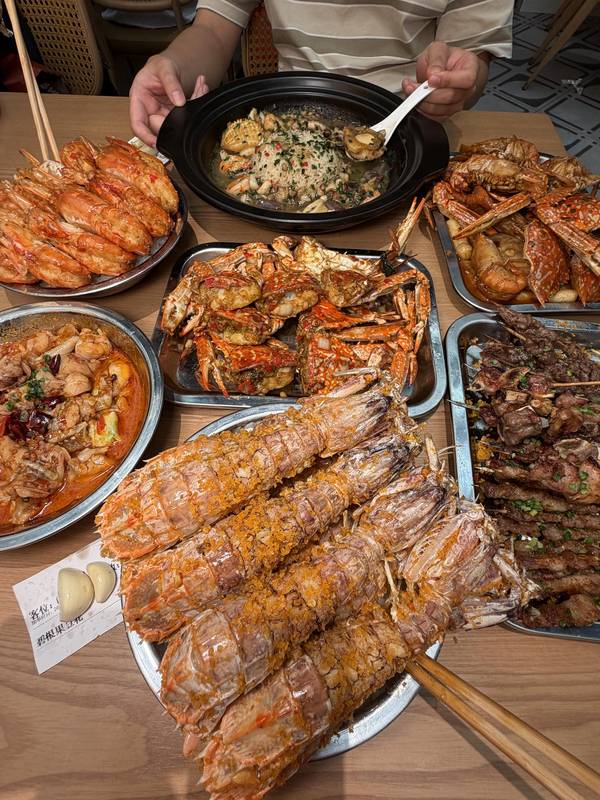
Seafood. Xuji Haixian (徐记海鲜) is the most recommended seafood restaurant in the city, and the queue at peak times can run for hours, so book ahead or go off-peak. The standout dishes are the braised prawns and the fish rice baked in a clay pot. Shekou Old Street has the dai pai dong, the open-air cooked-food stalls, where the seafood is cooked to order and there is no service charge. Wherever you eat seafood, confirm the weight and the cooking fee before you order, and eat where the locals eat, not inside the scenic areas. The restaurants inside Jiaochangwei (较场尾) are the ones bloggers warn about.
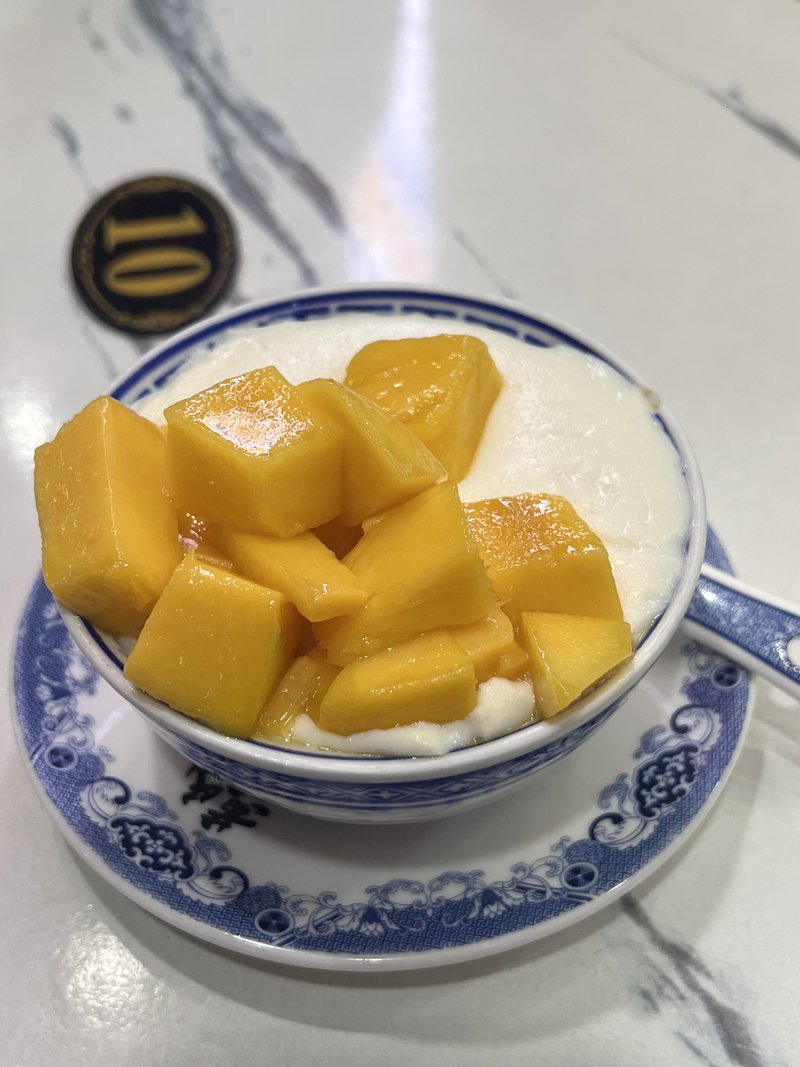
Nantou snacks. The snack walk in Nantou Ancient City is a meal in itself: double-skin milk (双皮奶) at Houshengji, mango sago and coconut sago at Tunan Bingshi, black-sesame and red-bean mochi at Nuo Jiji Maci. It is the cheapest good eating in the city, and the most fun.
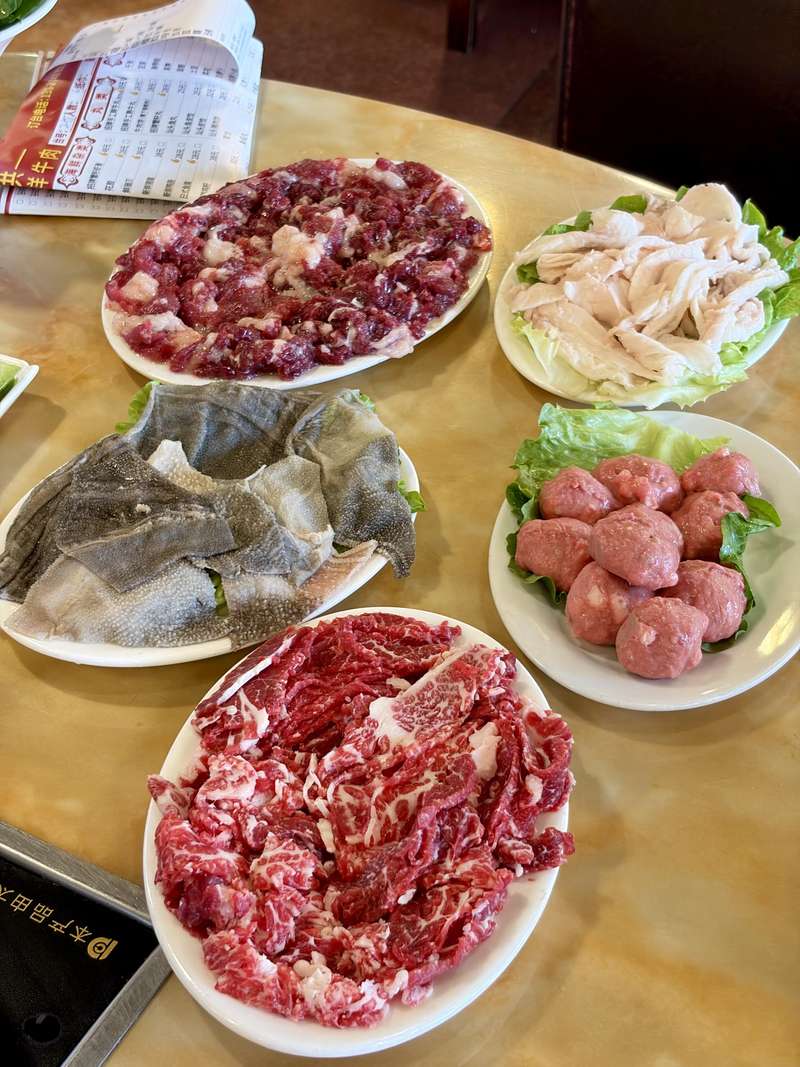
Chaoshan beef hotpot (潮汕牛肉火锅). Order by the cut, eat it fast, and let the broth do the work. It is the dinner that follows a day of walking better than anything else in the city.
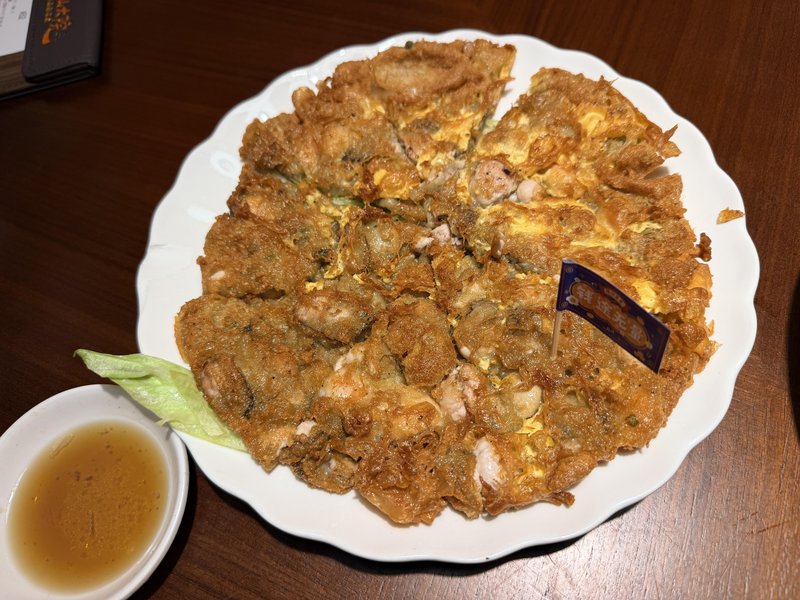
Shajing oysters (沙井蚝). The local oyster, at its best as an oyster omelette (蚝烙), crisp at the edges and soft in the middle. It is the Shenzhen dish most visitors never hear about, and the one most worth seeking out.
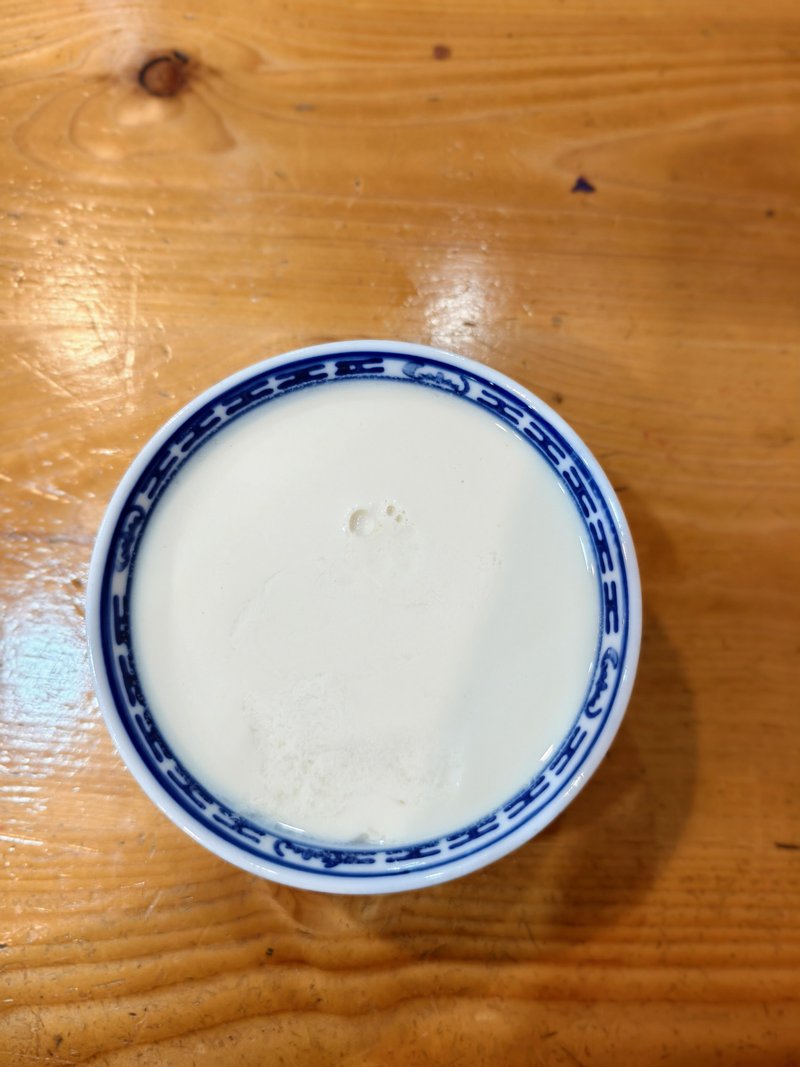
Sugar water (糖水). End the day the Cantonese way: double-skin milk, ginger milk curd, sesame paste. The sugar-water shops stay open late, and they are the gentlest possible end to a long hot day.
Booking, Honestly
Where to stay. First-timers should stay in Futian, near the Civic Centre and Gangxia: you step out of the station at Ping An Finance Centre, the tallest building in the city, with the malls and the metro hub around you. For the slower trip, stay in Nanshan near Houhai or Shekou Old Street, close to the bay parks and the restaurants. Either way, choose a hotel within a short walk of a metro station, and check its real location before you book: names mislead, and a hotel called after the bay can be nowhere near it. Book several days ahead, expect prices to rise sharply on holidays, and beware of rooms advertised with a sea view that have no view at all, windowless rooms, and homestays whose photographs do not match the room. Avoid Dongmen and Huaqiangbei if you want a quiet night.
Getting there. Shenzhen North is the biggest high-speed rail hub, but allow plenty of time: the queues to get in can be long, and on holidays they are worse. Futian station is the downtown station, you come out right at Ping An Finance Centre, but it has fewer services. Shenzhen Station is the closest to Luohu Port and the Hong Kong border. Use the exact station on your ticket: the wrong station costs you at least an hour. The airport is on Metro Line 11, a straight ride into the city.
Getting around. The metro goes everywhere that matters, and it is the default. Shared bikes are the best way to do the bay parks. Taxis are easy, and the driverless taxis running in parts of the city are worth one ride for the novelty.
Book ahead. Museums, the Observatory viewing platform, the popular restaurants, and weekend cars into Dapeng in the summer season. Take a number online for morning tea rather than queuing at the door.
When to go. October to March is the best season. Summer is hot and humid with sudden rain, and the winter sea wind is stronger than you expect, so bring a light jacket even then. Sunscreen all year, and mosquito repellent for the bay parks.
What I’d Skip
Window on the World (世界之窗). Miniature world buildings behind a ticket, small, and done in two hours. Low value, and the same idea exists in theme parks all over China.
Happy Valley (欢乐谷). A copy-paste theme park. If you have been to one, you have been to this one.
Dongmen Old Street (东门老街) as a special trip. It is a generic commercial street now, crowded and unremarkable. Walk through it if you are passing, but do not plan a day around it.
OCT Loft (华侨城创意园) for families and budget travellers. Very pretty for photographs, and the designer shops are genuinely interesting, but the prices are not: it suits a slow photo-and-coffee visit, not a family day out.
Chung Ying Street (中英街) shopping. The border street whose line was drawn in the Qing dynasty, and the warning is simple: most of what is sold there is fake, so do not buy unless you know a trusted seller.
The Joy Harbour Ferris wheel. The park is free and pleasant at night, but the wheel itself is ordinary and expensive, and the photographs of it are heavily edited.
Dameisha on weekends. The crowds, the coarse sand, the queues for everything. Go on a weekday, or go to Xichong instead.
The MixC World giant as a destination. It is mall decoration. See it on your way past, not as the reason for the trip.
Huaqiangbei electronics shopping. Look, marvel, and buy online.
The Observatory building itself. The boardwalk and the coast are the point. The building divides bloggers, and the fenced-off bottom of the walk has caught people out.
Summary
Shenzhen will not give you old China. It will give you a city built in a single lifetime, the best free coastline in the country, food from everywhere at once, and a sunset over the bay that costs nothing at all. The bloggers who say “don’t come” are really saying “don’t come for the wrong reasons”. Come for the coast, the food, and the feeling of standing in a place that went from a market town of thirty thousand people to a city of almost eighteen million while one generation watched. Come for that, and Shenzhen delivers.