
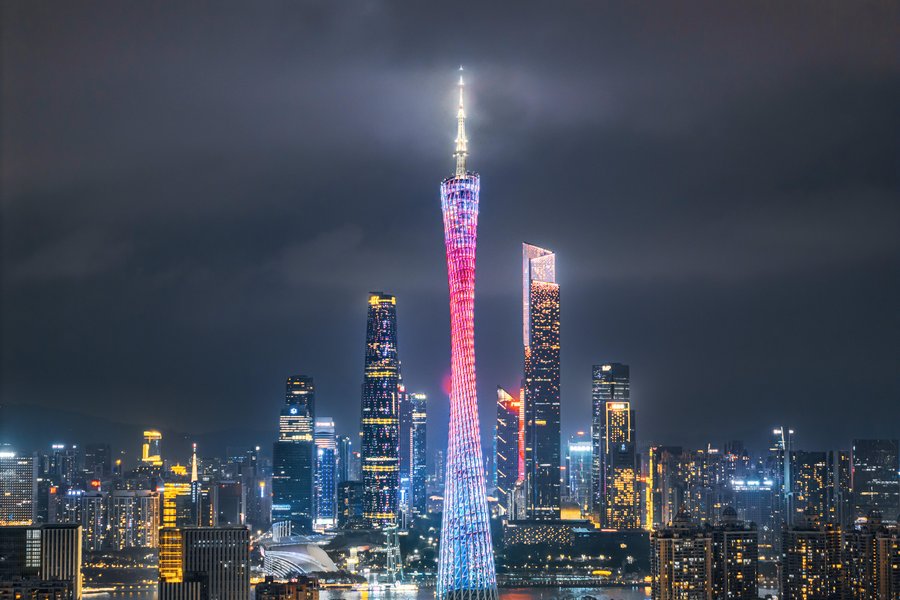
The trolley is already at our table before I have properly sat down, and the old man opposite me is tapping two fingers on the tabletop — thank you, in tea-house sign language — while his wife lifts the lid off a bamboo steamer and the steam gets into everything. This is yum cha (饮茶) in Guangzhou, and it is not breakfast. It is the whole city in miniature: loud, generous, unhurried, and completely serious about small things.
I have been coming to China for years, and I still think Guangzhou is the city most travellers get wrong. They pass through it on the way to somewhere else — a train station, an airport, a trade fair — and they leave thinking it is all tower blocks and traffic. It is not. It is the oldest port in southern China, a city that has been trading with the world for two thousand years, and it eats better than anywhere else in the country. Give it three days and it will change your mind.
At a Glance
- Three days is the right amount. One day for the old city, one day for the new city by the river, and one day to choose your own ending. Bloggers agree: Guangzhou is not a city to spend a week sightseeing in. Its strength is food.
- Stay in Yuexiu (越秀) or on the Liwan (荔湾)–Yuexiu border, around Chen Clan Academy (陈家祠). That puts you between the old city and the new, near a Metro station, and near the morning-tea streets.
- The Metro is the way to move. Do not drive in the old city, and do not rely on taxis at peak times or on holidays.
- Book the museums ahead. Guangdong Museum (广东省博物馆) and Chen Clan Academy both need advance booking, and both have a weekly closing day, so check before you go.
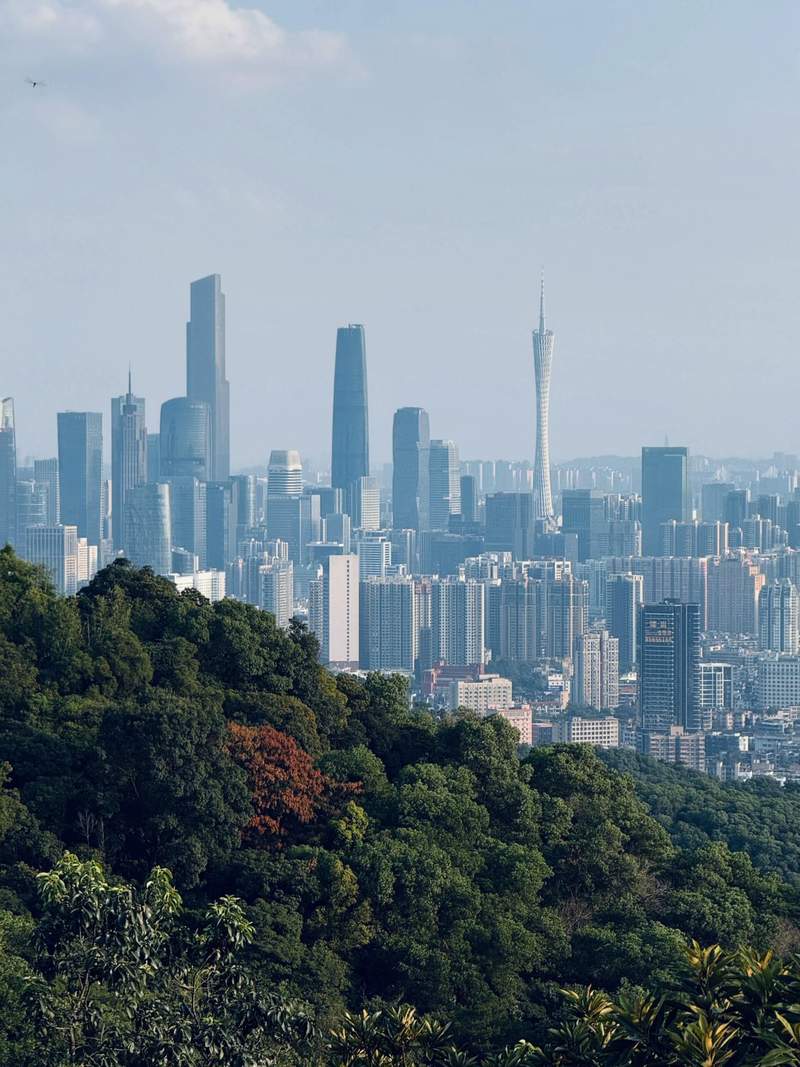
- Do not climb the Canton Tower. Look at it instead — from Huacheng Square (花城广场), from Haixin Bridge (海心桥), from the riverbank. The view from below is free, and it is better than the queue.
- Eat where the grandparents eat. If a tea house is full of local grandparents by nine in the morning, sit down. That is the whole rule.
Day One: The Old City
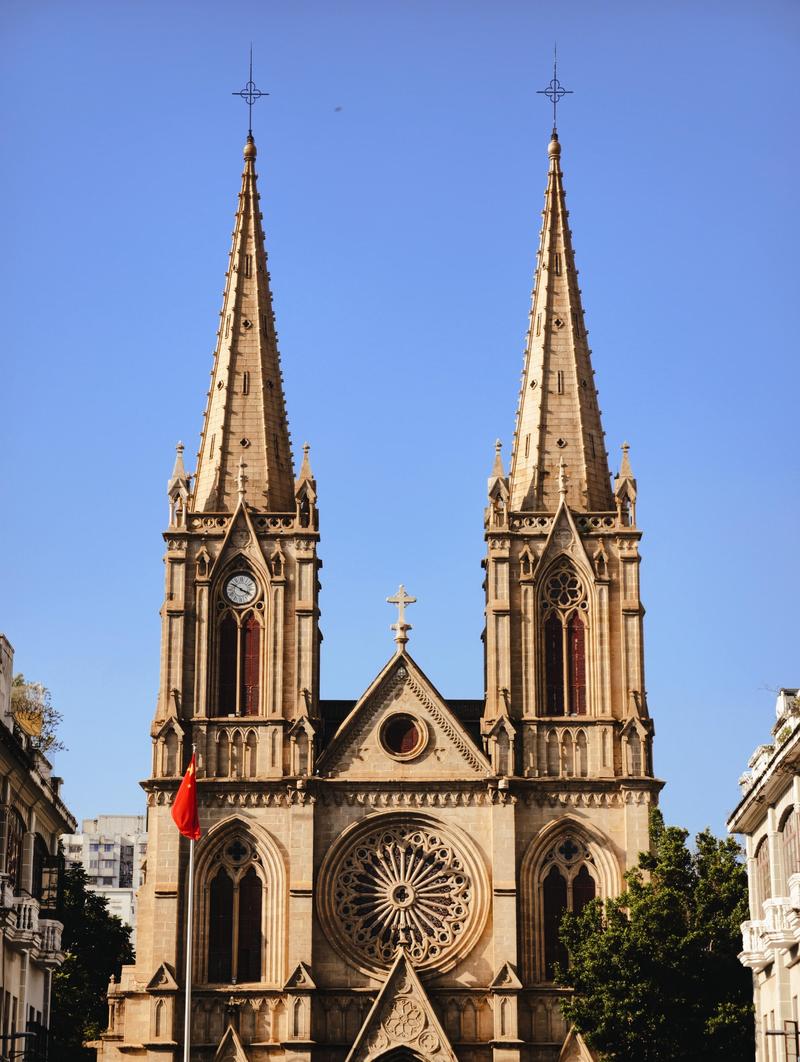
Start early, because Guangzhou starts early. Go first to Sacred Heart Cathedral (石室圣心大教堂), the all-stone Gothic cathedral in the old city, and photograph the full facade from the gate before the crowds arrive. It has a weekly closing day and limited hours inside, so check before you go — but even from outside, it is one of the most surprising buildings in China: a French Gothic cathedral built entirely of granite, in the middle of a Cantonese old town.
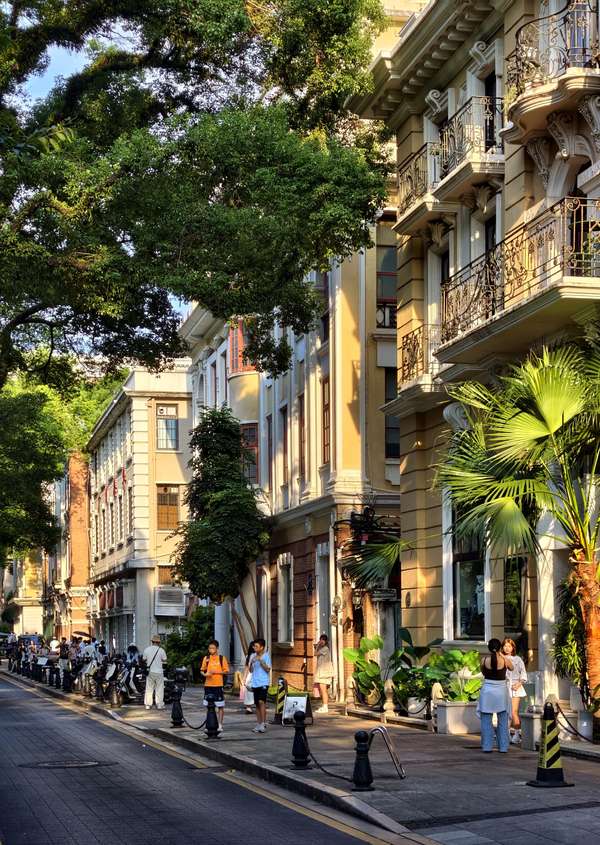
From there, walk to Shamian Island (沙面岛), the old British and French concession, where more than 150 European-style buildings stand under old banyan trees along quiet, tree-lined streets. It is photogenic and it is gentrified, and I say that honestly: Shamian is lovely to walk, but it is a place to look, not a place to eat or shop. The riverside is the best part — walk along Yanjiang West Road afterwards, and watch the Pearl River go by.
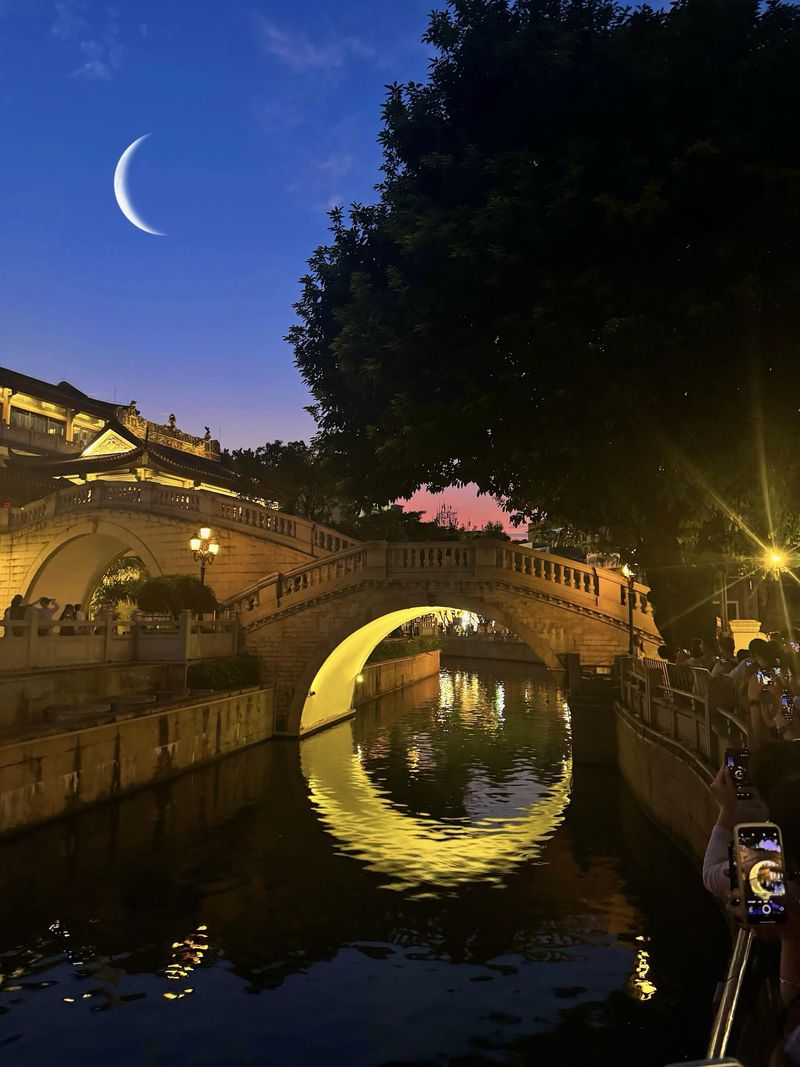
Yongqingfang (永庆坊) is next, the revitalised Xiguan (西关) arcade quarter on Enning Road, where the old qilou (骑楼) shop-houses have been restored into a walking street. Cross the Moon Bridge, look for Li Xiaolong’s former home, and go into the Cantonese Opera Art Museum, which sits in a Lingnan water garden and sometimes has live performances by the pond. Of the old city’s commercial streets, this is the one to choose — the others are much the same, and one is enough.
For lunch, stay in the old city. Chen Tianji (陈添记) does fish skin (鱼皮) the way the old town likes it, and Tao Tao Ju is as good for a late lunch as it is for morning tea — roast goose, shrimp dumplings, seafood red-rice rolls. Eat on the neighbourhood streets, not on the main drag: the food on the main streets is priced for visitors, and the lanes one street back are where the city actually eats.
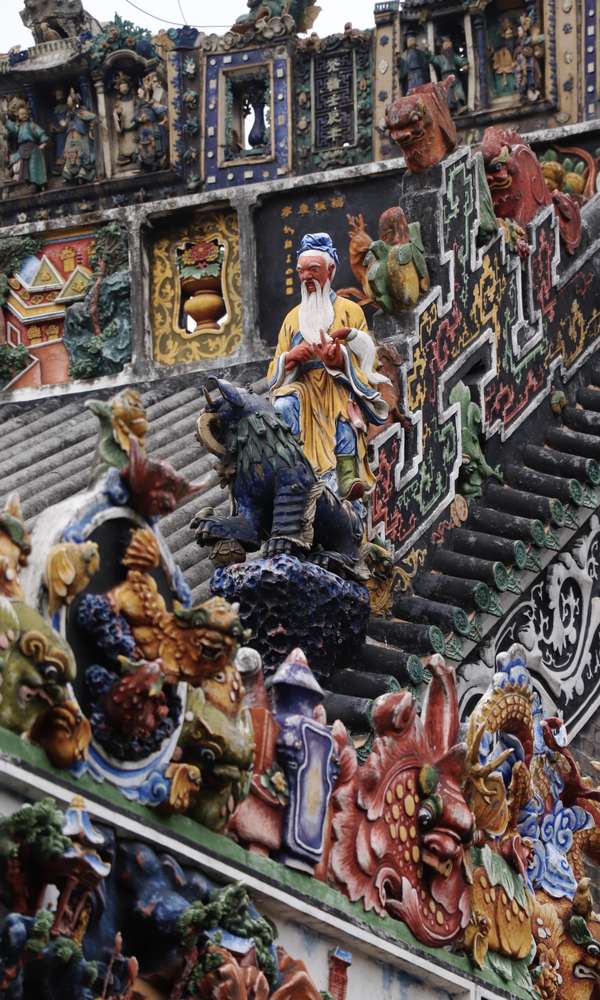
Then Chen Clan Academy (陈家祠), the late-Qing ancestral hall that is the single most beautiful traditional building in Guangzhou. It was built in 1894, and every surface is decorated: brick carving, wood carving, glazed tiles, ironwork, and the famous pottery ridge on the roof of Juxian Hall, twenty-seven metres long and crowded with more than two hundred figures acting out Cantonese opera scenes. Look up at the roof first, then look down at the wood-carved screen door, which hides a character for good fortune made out of two other characters. Follow a tour guide if you can, because the carvings are hard to read on your own. It has a weekly closing day, so check before you go, and book ahead.
If you still have an hour before dusk, the Thirteen Hongs Museum (十三行博物馆) is nearby in the old city, and it is the quieter alternative to the big museums: the story of the thirteen trading houses that ran Guangzhou’s foreign trade in the Qing dynasty, when this city was the only port in China open to the West. It is small, it is uncrowded, and it explains the old city better than any other single room.
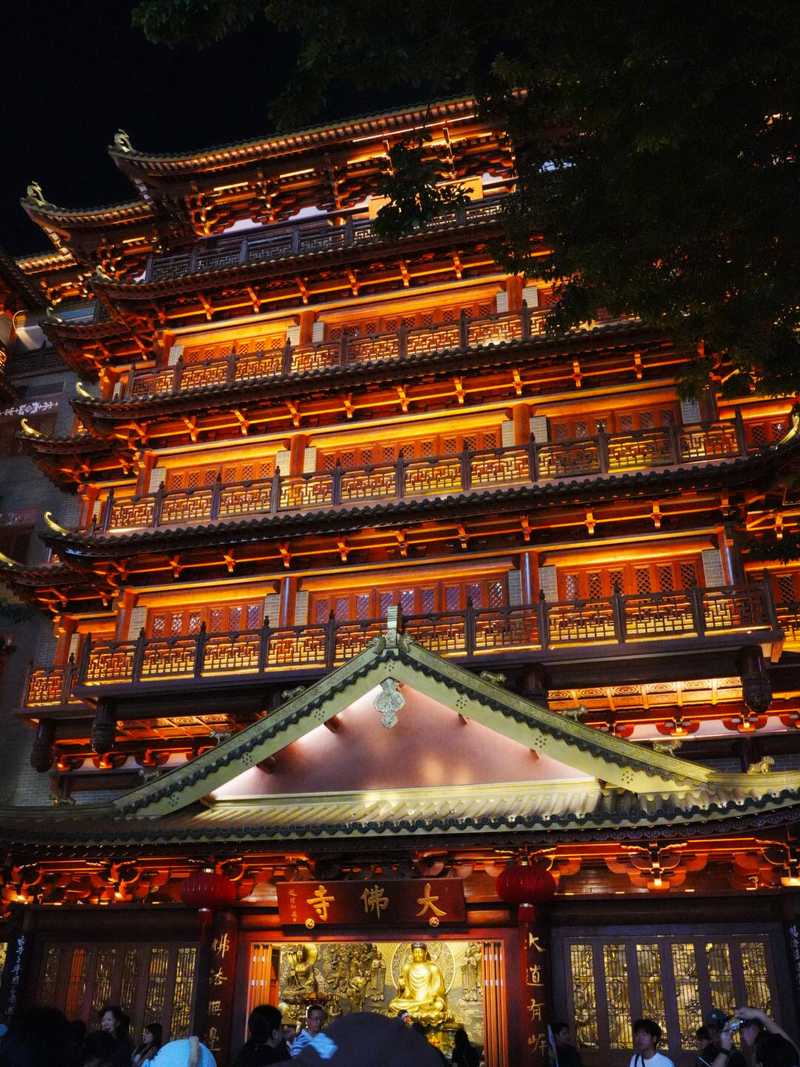
End the day on Beijing Road (北京路), the shopping pedestrian street, where the remains of ancient roads are visible under glass in the pavement. The street itself is a generic commercial street and the locals will tell you so — the one stop worth making is Dafosi Temple (大佛寺), the thousand-year-old temple beside it, which is at its best in the evening when the lights come on. Go at dusk, stay for the warm yellow glow, and then eat nearby. Day One is a walking day, and it should end with food, not with shopping.
Day Two: The New City by the River
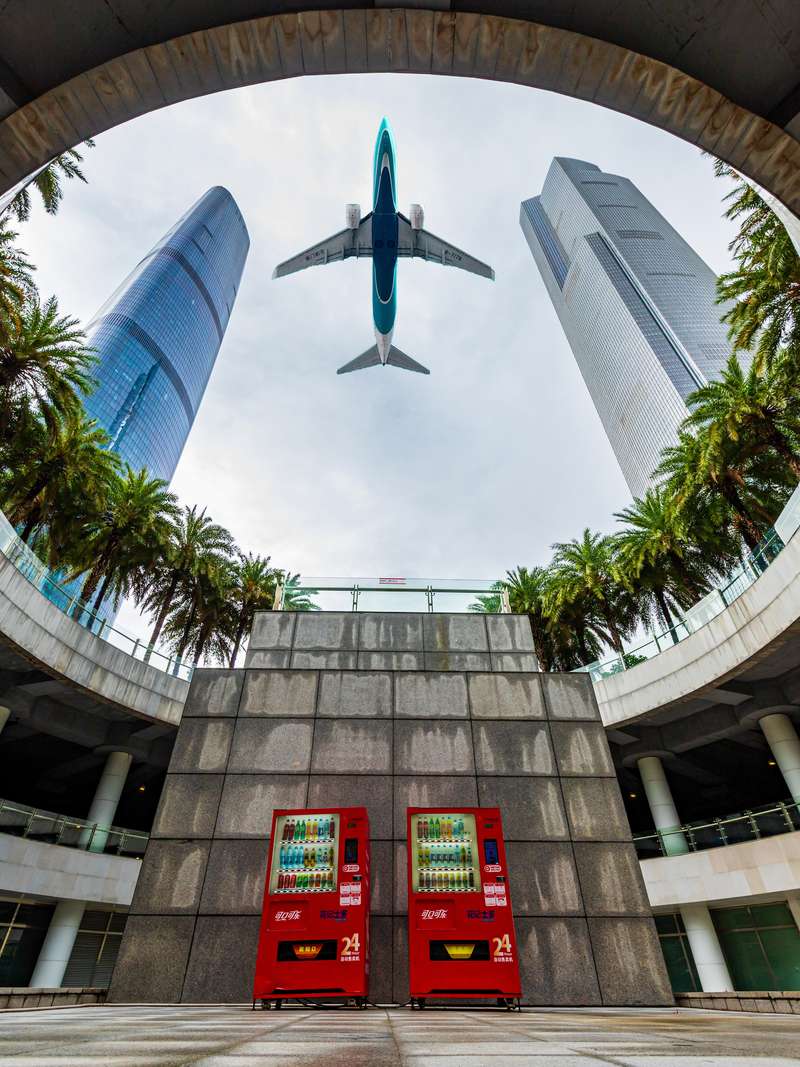
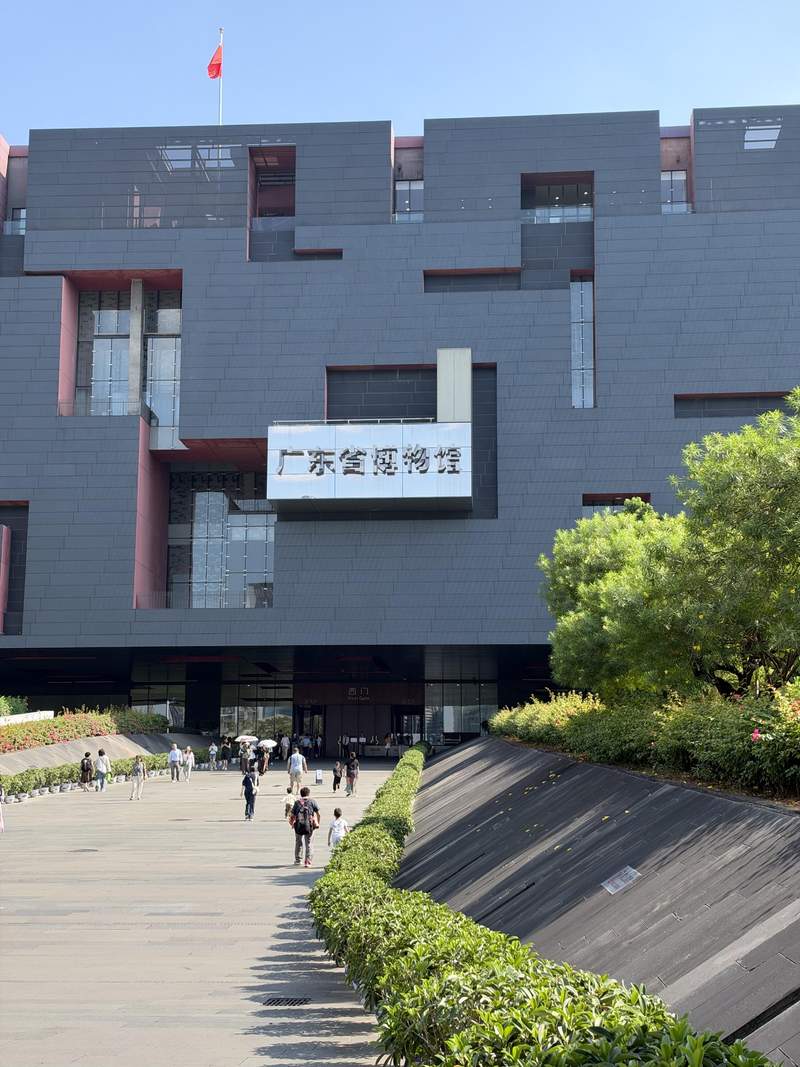
Day Two is the modern city, and it runs along the Pearl River. Start at Huacheng Square (花城广场), the long civic lawn in Zhujiang New Town (珠江新城), with the Guangzhou Opera House (广州大剧院) — Zaha Hadid’s twin boulders — on one side and the Guangdong Museum on the other.
The museum is free but you must book a week ahead, and it has a weekly closing day, so check before you go. Inside, look for the jade carving that looks exactly like a plate of white-cut chicken, and the long-necked dinosaur skeleton. One honest warning: a few visitors find the museum confusing and crowded, and if that sounds like you, the Nanyue King Museum (南越王博物院) on Day Three is the quieter alternative.
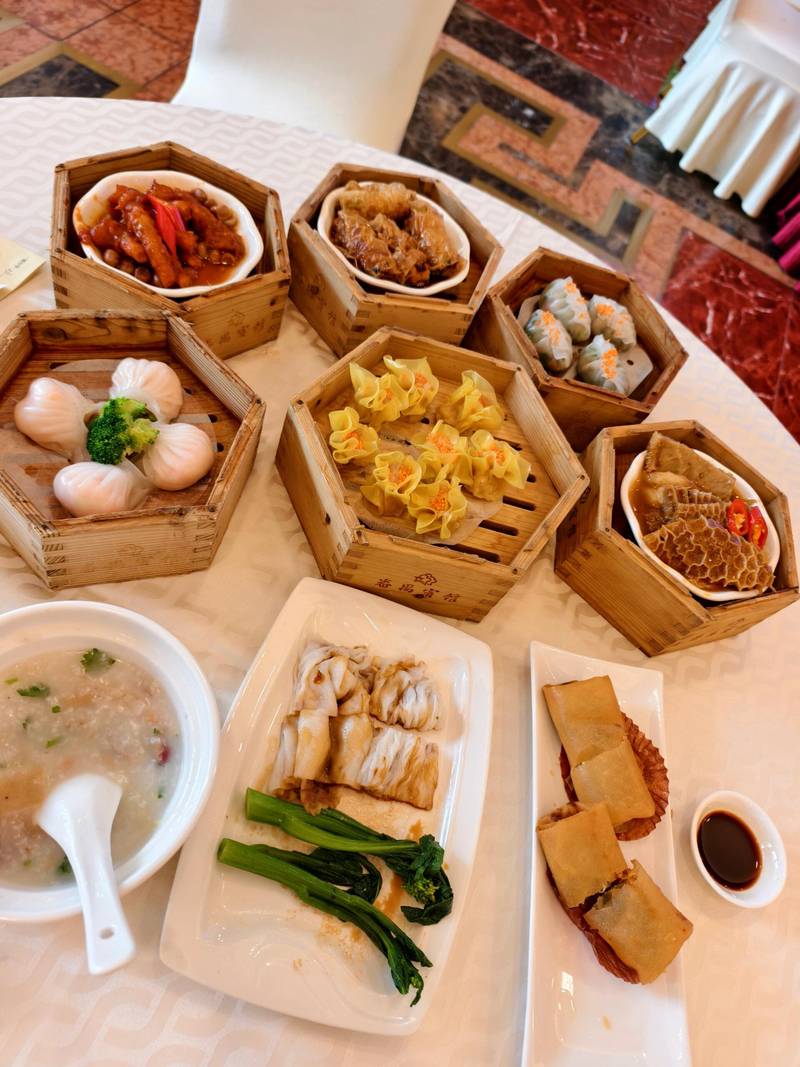
From the square, walk across Haixin Bridge (海心桥), the pedestrian arch bridge, to the Canton Tower bank. The tower is the city’s emblem, and my advice is to look at it, not climb it. Bloggers are blunt about this: the ticket is expensive, the queues are long, and the view from below — from the square, from the bridge, from Haixinsha or Ersha Island — is free and just as good. The driverless APM line is a small pleasure of its own: a short panoramic ride with a view of the tower, and the Metro Museum at the end of it.
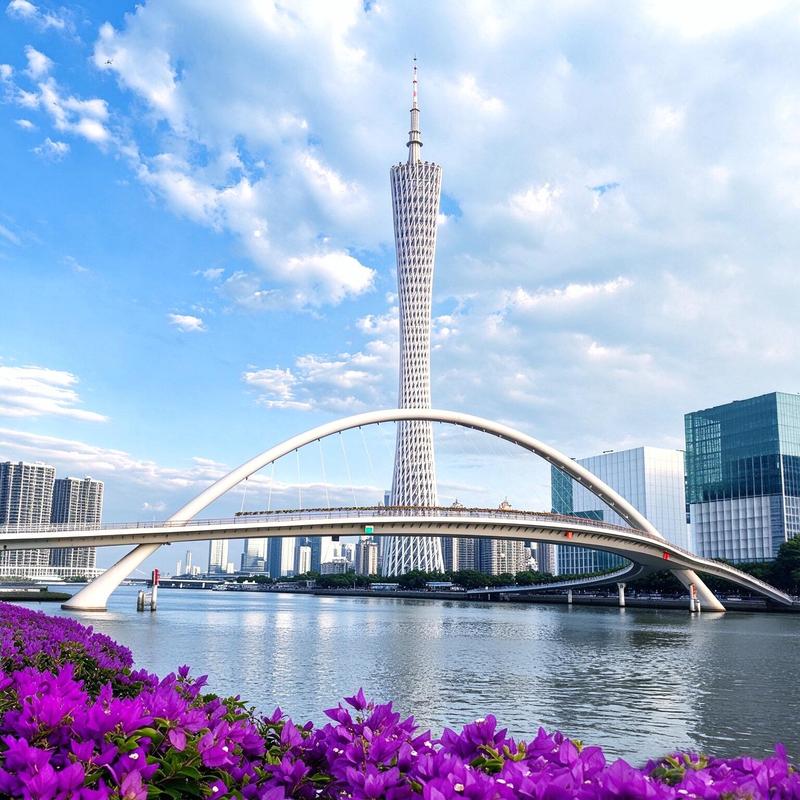
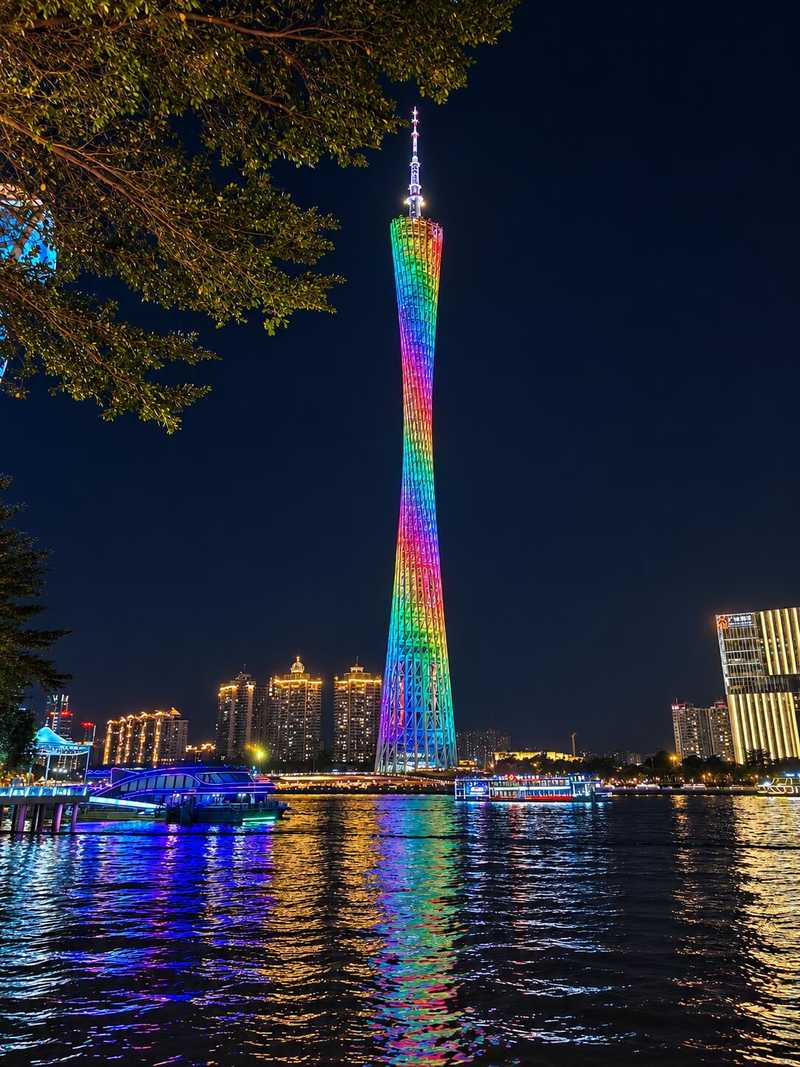
In the evening, choose one river experience, not two. Either take the Pearl River night cruise (珠江夜游) — and if you do, take the open-air top deck, because the lower decks look out through glass and the reflection ruins the view — or stay on the riverbank and watch the tower light up over the water. The public water bus is the honest budget alternative to the cruise: the same river, the same lights, a fraction of the fuss. Do not try to do both the cruise and the tower in one evening. Pick one, and enjoy it.
If you still have energy after the river, Dongshankou (东山口) is the evening alternative the students recommend: old streets, small shops, and a younger, quieter Guangzhou than the squares and malls. It is a good place to end a day without a plan.
Day Three: Choose Your Ending
Day Three is a choice, and the right choice depends on who you are travelling with.
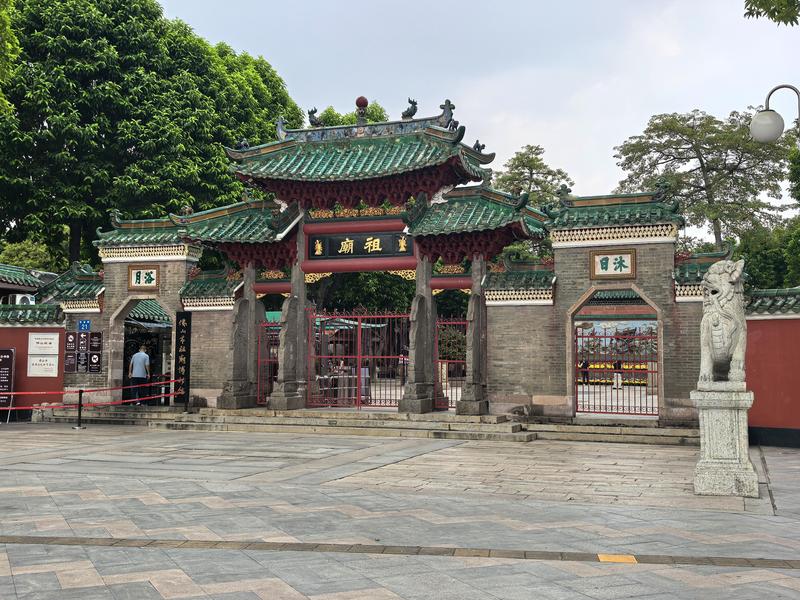
If you want the most distinct day, go to Foshan (佛山). It is a short ride away, and its old town of Chancheng holds four spots close together: Nanfeng Ancient Kiln (南风古灶), where pottery has been fired for centuries, with Gongzai Street and the Ceramics Museum beside it; Liangyuan (梁园), the classical Lingnan garden; Foshan Ancestral Temple (祖庙), with its lion dance performances; and Lingnan Tiandi (岭南天地), the nine-hundred-year-old street that is best in the evening. A local blogger’s advice is to do all four and nothing else. It is the one Day Three that feels like a different city rather than more of the same.
If you want the cheapest day, climb Baiyun Mountain (白云山). It is the city’s green lung, and a normal traverse from the west gate to the south gate takes about three hours on foot. There are three routes and a few hidden viewpoints, and the gates stay open around the clock. Go for the air and the view, not for a summit to conquer — the mountain is a walk, not a climb, and that is the point of it.
If you are travelling with children, go to Chimelong (长隆). The wildlife park is a full day: the small train and the cable car, the animal zones the children will not want to leave, and the circus in the evening if you have the energy. Book ahead, go early, and expect a long day — the children in the blog posts could not get enough of it, and neither will yours.
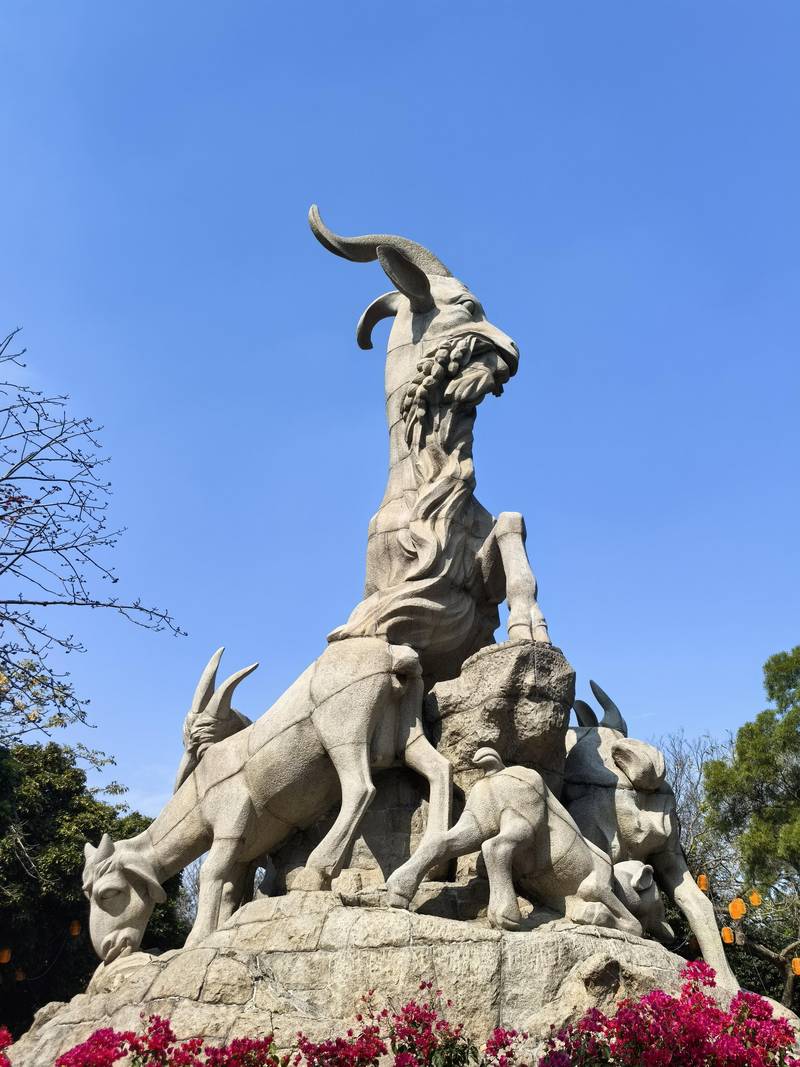
If you would rather stay in town, spend a slow morning in Yuexiu Park (越秀公园), with the Five Rams statue (五羊石像) — the emblem of the city, which is why Guangzhou is called the City of Rams — and Zhenhai Tower (镇海楼), built in the Ming dynasty in 1380 and now the city museum.
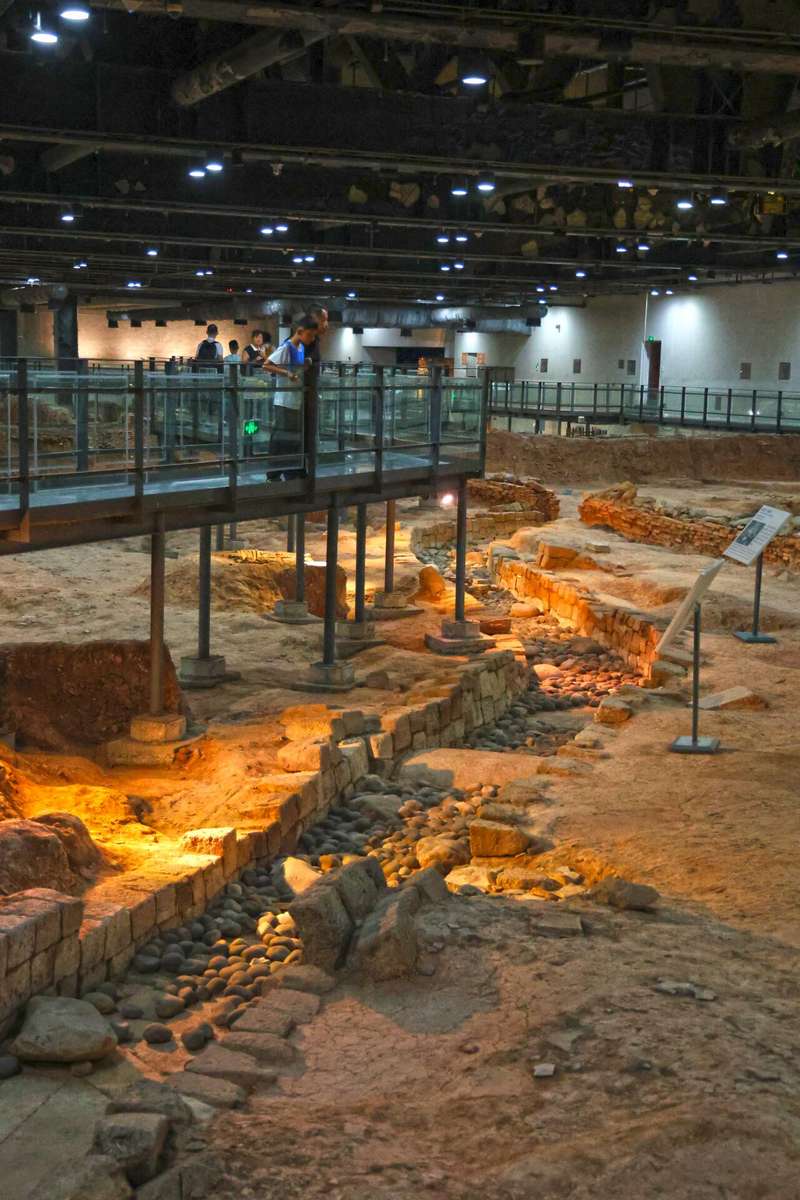
Then go to the Nanyue King Museum, where the two sections are separate: the Wangmu (王墓) tomb section needs its own reservation, and it is the one worth visiting — an intact Western Han tomb, more than two thousand years old, with a jade burial suit and the oldest imperial golden seal found in China. The Wang Gong (王宫) palace section can be skipped if you are short on time.
What to Eat
Guangzhou is the home of Cantonese cuisine, and eating is the reason to come. Start with yum cha, the morning-tea culture that is the city’s great ritual. The classics are the Four Heavenly Kings — shrimp dumplings (虾饺), siu mai (烧卖), char siu buns (叉烧包) and egg tarts (蛋挞) — plus red rice rolls (肠粉) and boat congee (艇仔粥). The old tea houses are Tao Tao Ju (陶陶居), Dian Dou De (点都德), Guangzhou Restaurant (广州酒家), Panxi (泮溪酒家), Lianxianglou (莲香楼) and Datong (大同酒家). Go early, take a number, and expect a queue at the famous ones. My own rule is the one a blogger put best: trust the tea house that is full of local grandparents by nine in the morning. 喜爱轩 in the Taojin area is exactly that kind of place — large shrimp dumplings, thin-skinned red rice rolls, and sugar sand rolls (糖沙翁) that are hard to find anywhere else. Chinese tea culture runs through all of it: pour for others first, tap two fingers on the table to say thank you, and leave the lid ajar when you want a refill.
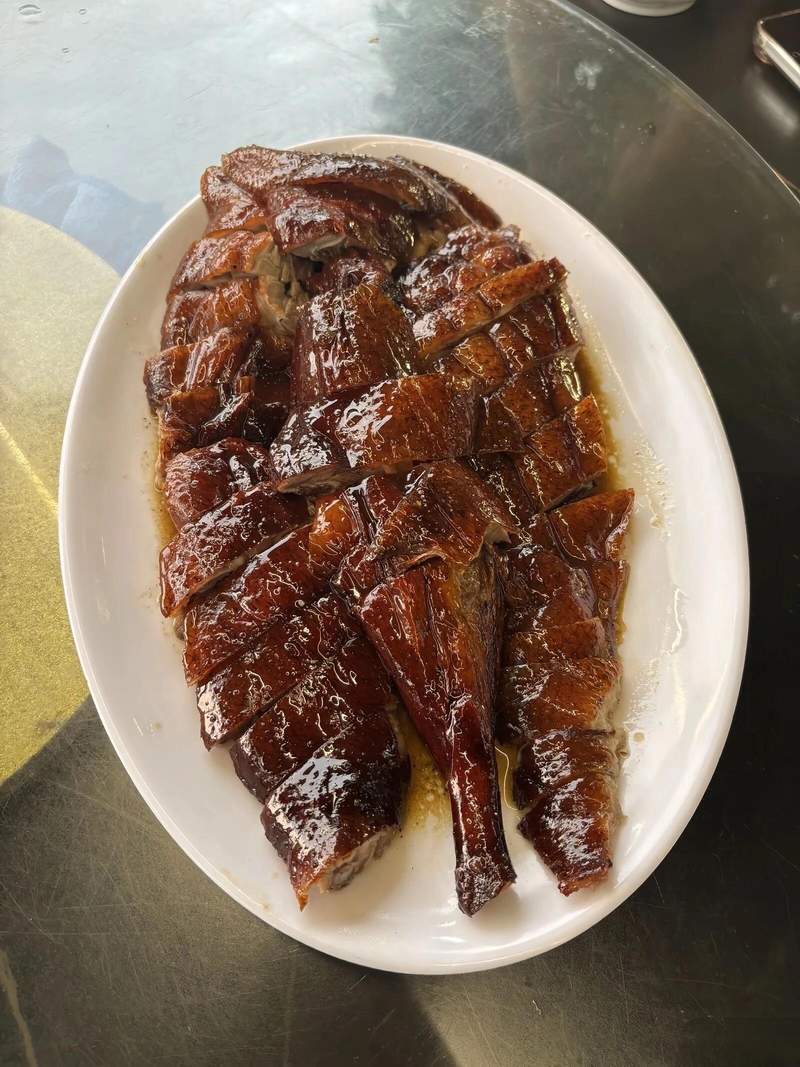
Roast goose (烧鹅) is the dish to plan a meal around. The leg is the sweet spot, and it must be eaten hot. The trusted names are Yongxing (永兴烧腊), Wannian (万年酒楼), Zhu Zai Ji (朱仔记) and Bing Sheng (炳胜品味). Take a number early at the busy ones. One warning: a goose leg sold very cheaply is probably not the real thing, or it is frozen.
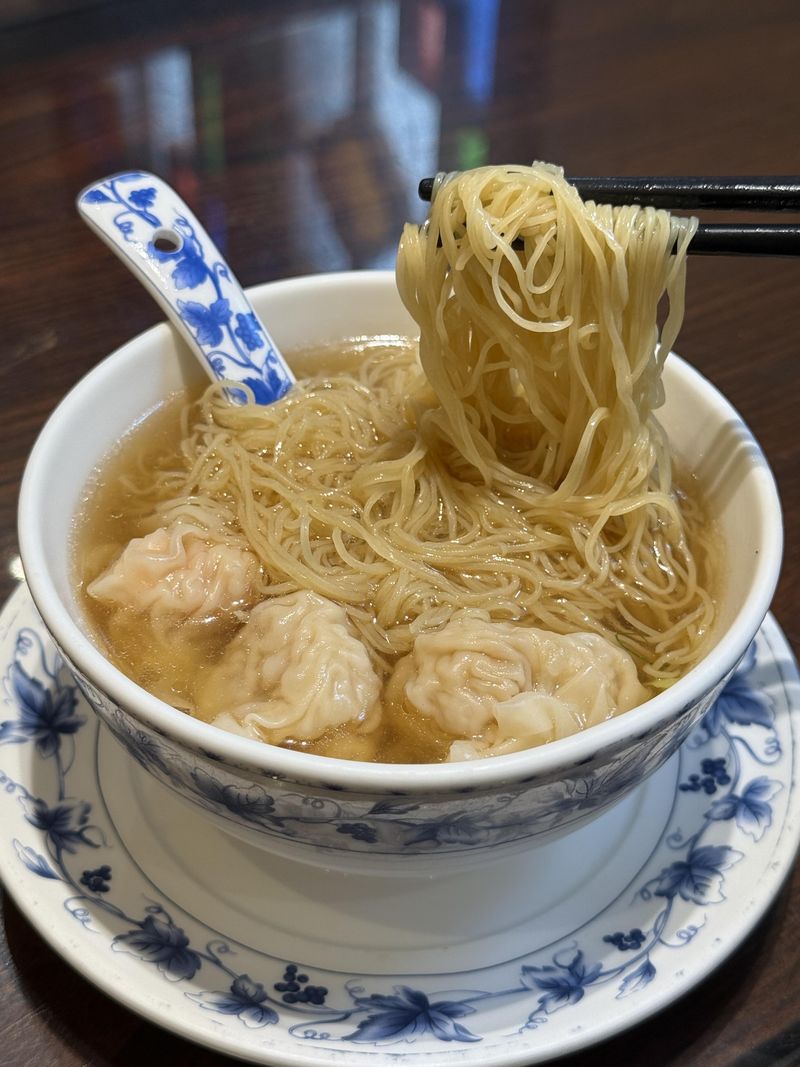
Wonton noodles (云吞面) are the city’s everyday bowl: clear broth, fine silky noodles, thin-skinned wontons with crisp shrimp. Baohua Noodle Shop (宝华面店) on Baohua Road has been serving them since 1955, and Song Ji (松记) is the one bloggers praise for the best broth. The most famous shop, Li Di (丽的面家), divides opinion — some love it, some say it is expensive and no better than a street stall — so I name the two steady picks and leave the famous one to your curiosity.
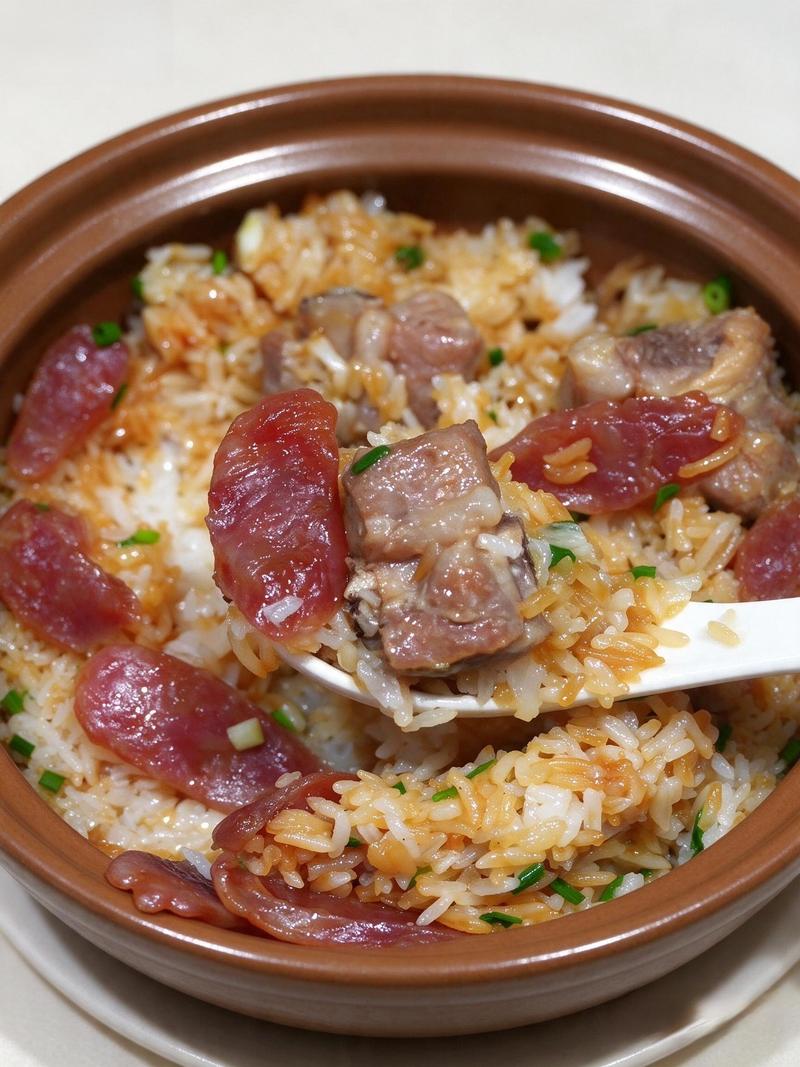
Claypot rice (煲仔饭) is cooked to order in a clay pot, and the crisp crust at the bottom is the point. Min Ji (民记) on Huifu East Road is the head shop and the one most bloggers rate highest, but the queues at mealtimes are long — go after the lunch rush. Chao Ji (超记) is the rival the commenters lean towards, for value and for rice with distinct grains, and it is explicit that nothing there is pre-made. Order the rice pot first and eat the other dishes while it cooks.
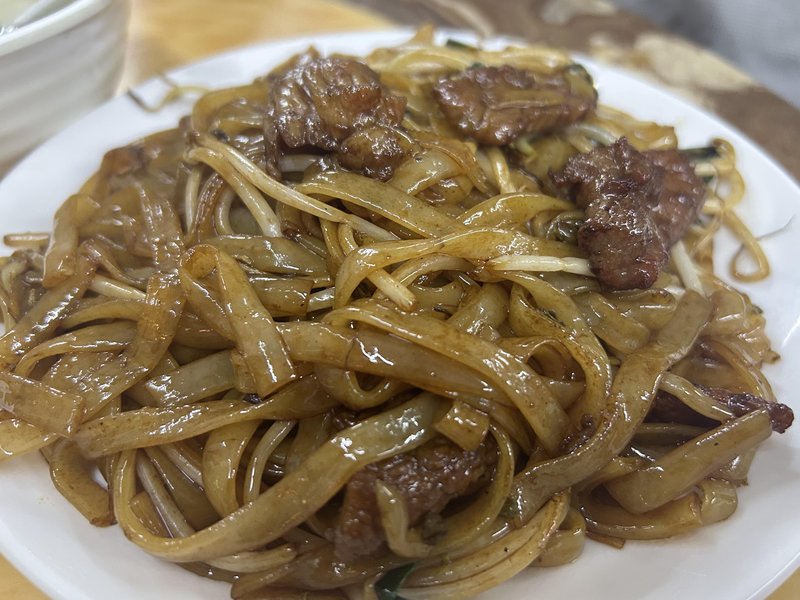
Dry-fried beef hor fun (干炒牛河) is the wok dish to order with it — Bing Sheng’s version is the one bloggers call the best, fragrant with wok heat. And sizzling claypot (啫啫煲) is the other: chicken, fish or pork ribs, still hissing when it reaches the table, always with rice.
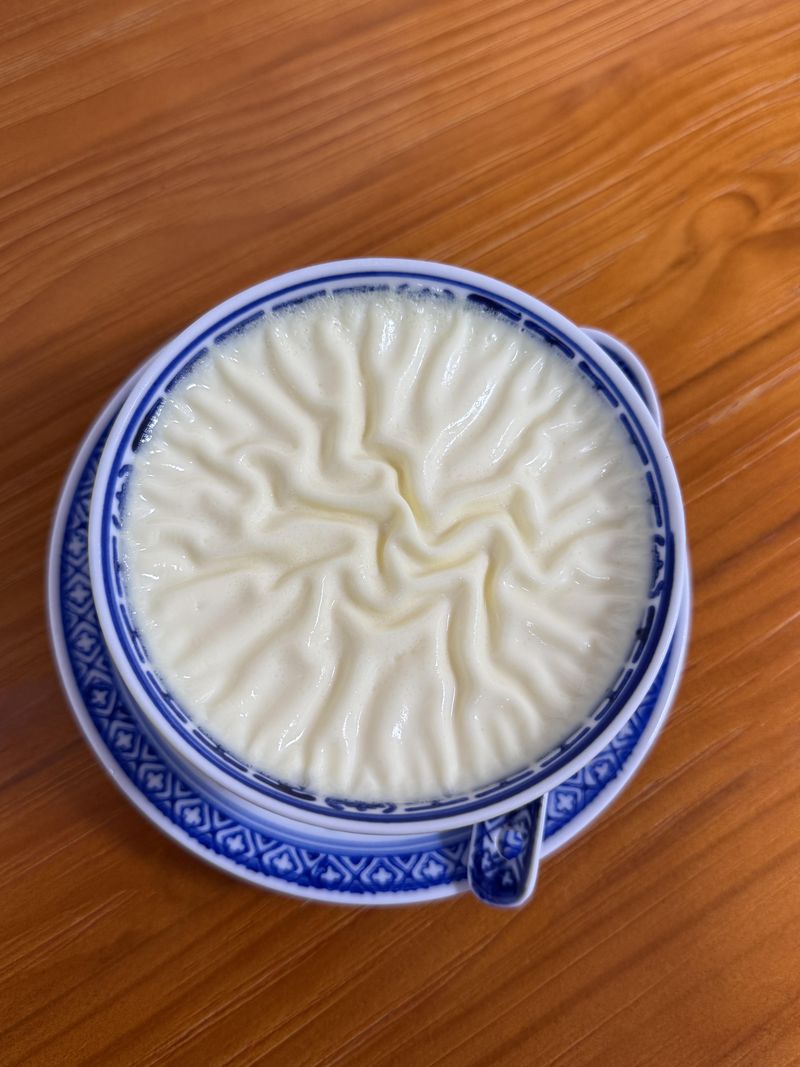
For dessert, double-skin milk (双皮奶) at Nanxin (南信) is the classic, and ginger milk curd (姜撞奶) is the one the locals pick — Yong Ji (永记) is a local’s choice. Sesame paste (芝麻糊) is the late-night finish. The sugar-water shops are worth a stop of their own: Xingfu (杏福甜品) for ginger egg custard, Kaiji (开记糖水) for water-chestnut dessert and double-skin milk, the kind of place people have been going to since childhood.
One honest note: Xihua Road (西华路) is listed everywhere as a food street, but a local who has lived beside it for decades says there is little good food left there. Treat it as a street to walk, not a street to eat on, and eat in the residential lanes instead. And a warning about herbal tea (凉茶): it is bitter medicine, not the sweet drink in the red can. Do not order it expecting a soft drink.
Booking, Honestly
Stay in Yuexiu, around Beijing Road and Gongyuanqian, or on the Liwan–Yuexiu border around Chen Clan Academy. That is the most central ground, near a Metro station and near the morning-tea streets. A chain hotel near Caihongqiao Metro station is a concrete pick from the comments: a street of old eateries beside it, walkable to Chen Clan Academy. Zhujiang New Town and Tianhe are the choice for upscale and new hotels; Haizhu is the choice for Canton Tower views; Panyu is the choice if you are doing Chimelong, and then you should book a month ahead.
Three warnings. First, do not trust a hotel’s name: one “Beijing Road” hotel was actually two Metro stops away from Beijing Road, at the Martyrs’ Park station. Check the map, not the name. Second, beware old apartment-style homestays in the old districts — damp, poor soundproofing, hygiene blind spots. Prefer a proper chain, or a place opened in the last two years. Third, during the Canton Fair (广交会), in spring and autumn, hotels around Pazhou fill up and prices surge — stay elsewhere, or book early.
On transport: use the exact station on your ticket, because Guangzhou has four railway stations in different places and the wrong one costs you at least an hour. Guangzhou South (广州南) is the national high-speed hub but far from the centre; Guangzhou East (广州东) is the intercity hub for Shenzhen and Hong Kong; Guangzhou station (广州站) is the old city-centre station; Baiyun station (广州白云站) is the new one. At the airport, check which terminal your flight uses before you set off. And take the Metro: it is the way to move, and the old city is not a place to drive.
A few small things: carry your own tissues, because restaurants charge for theirs; carry an umbrella, because the rain arrives without asking; watch the e-bikes on the pavements, because they run red lights; and carry your ID, because the museums check it.
What I’d Skip
More than one commercial street. Yongqingfang, Shangxiajiu (上下九), Beijing Road and Shamian are all much the same — pick Yongqingfang and skip the rest. Bantang (泮塘) is the one bloggers call a rip-off outright.
Climbing the Canton Tower. The view from below is free and just as good, and the queues are long. Look at it from the square, from the bridge, from the riverbank.
The lower decks of the night cruise. If you take the cruise, take the open-air top deck. If the price puts you off, the water bus runs the same river.
Shangxiajiu as a destination. The locals never go there. Walk it if you are passing, but do not plan a day around it.
More than three days for sightseeing. Guangzhou’s sights are few and its food is the point. Three days, eaten well, is the trip.
Summary
Guangzhou is not a city that shouts. It does not have the spectacle of the tower cities or the romance of the old capitals. What it has is older and quieter: a port that has traded with the world since the Maritime Silk Road, an old city of arcades and ancestral halls, a new city of glass and river light, and the best food in China, served without ceremony at seven in the morning. The Opium Wars began down the river from here, and the Qing dynasty made its fortune here, but the city never turned into a museum of itself. It just kept eating. Come for three days. Start at a tea-house table, end at the river, and let the city do the rest.